Breakfast in 5 Minutes: 30g Protein Ideas
Need a quick breakfast that actually keeps you full? These 5-minute, around-30g protein breakfasts are built for weight loss and macro tracking, with low-calorie swaps, simple meal prep shortcuts, and easy logging tips for beginners.
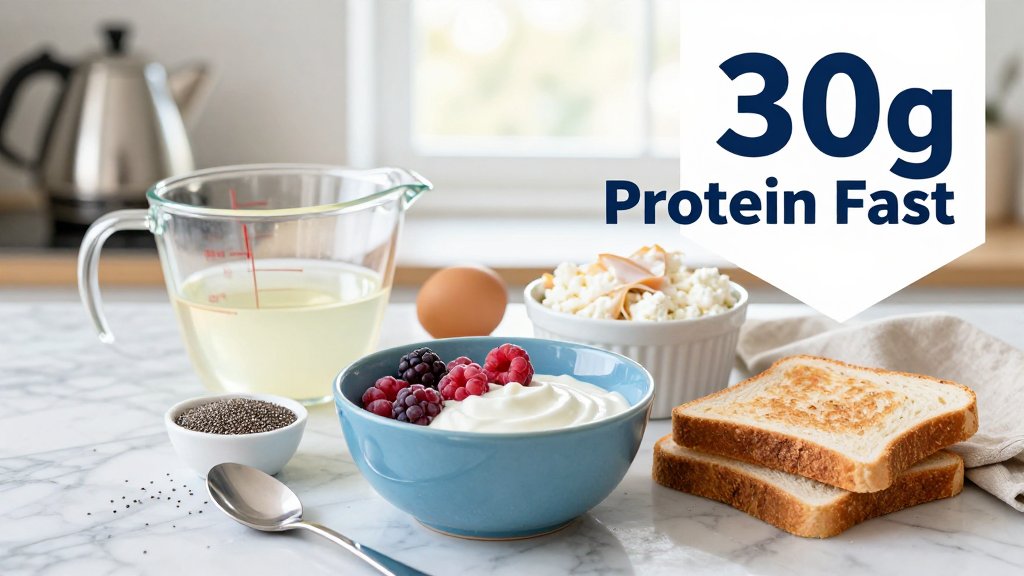
Mornings can make or break your nutrition. If breakfast is rushed or skipped, it is easy to fall behind on protein, snack more later, and feel hungry all day. The good news is you can hit around 30g of protein in about 5 minutes without cooking a full meal or choking down a giant shake. In this guide, you will get plug-and-play breakfast combos, low-calorie swaps, and a simple way to track macros even if you are brand new.
What 30g Protein at Breakfast Actually Does
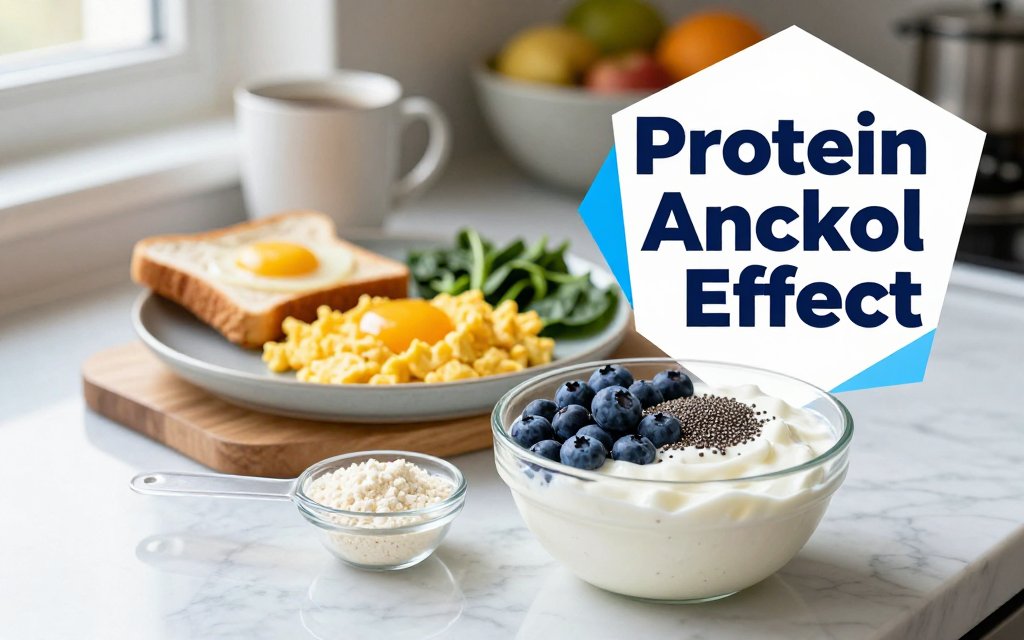
If you want one breakfast habit that pays off fast, it is this: hit about 30 g of protein early, and the rest of the day gets easier. A protein-forward breakfast can help with fullness (fewer random snack attacks), weight loss (because you naturally eat fewer “extras”), and muscle retention (because you are less likely to under-eat protein while dieting). The goal is not a perfect meal. It is a repeatable template. Think of 30 g protein as your “anchor,” then add one carb or fruit for energy and one fiber booster to keep you full and digestion happy. For many adults, a simple rule of thumb is to keep a high-protein breakfast roughly in the 300-450 calorie range so it supports fat loss without feeling like diet punishment.
Here is what that anchor approach looks like in real food, not “fitness food theater.” Pick a lean protein that gets you to 25-35 g, then build around it: 1 cup liquid egg whites plus 1 whole egg is about 30 g protein for roughly 190-220 calories (depending on the egg size). About 1 cup low-fat cottage cheese lands near 25-30 g protein for roughly 180-220 calories, and you can push it to 30 g with a few slices of deli turkey. A 0 percent Greek yogurt or skyr bowl can also get there if you choose a larger serving and add a measured half scoop of whey. Then add one carb or fruit (banana, oats, toast), plus one fiber booster (berries, chia, spinach, beans).
The simple 30g rule for weight loss and muscle
Appetite control is where most people feel the difference first. In a controlled trial during calorie restriction, shifting more protein to breakfast led to greater feelings of fullness across the day compared with adding it later, which is exactly what you want when you are trying to stay consistent in a deficit (see this protein-at-breakfast fullness trial). Practically, 30 g protein is only about 120 calories coming from protein itself, which leaves room for carbs and healthy fats without blowing your day. That is why 300-450 calories is a sweet spot for many adults: enough food volume to feel satisfied, not so much that you “accidentally” ate half your deficit by 9 a.m.
Muscle retention matters even if your goal is only weight loss. When calories drop, your body does not automatically pull energy only from body fat, it can also dip into lean tissue if protein and training are inconsistent. A 30 g protein breakfast helps you distribute protein earlier, so you are not trying to “make up” 70 g at dinner (which usually turns into extra calories and poor sleep). As a simple pacing strategy, if your daily target is 100-130 g protein, getting 30 g at breakfast means you are already about one quarter to one third of the way there before lunch. Combine that with resistance training a few days per week, and you are stacking the deck in favor of keeping strength while you lean out.
One more beginner trap to avoid is relying on liquid calories. A protein shake can be a useful tool, but it is also easy to turn into a 600 calorie “healthy smoothie” without realizing it. A scoop of protein plus a banana plus oats plus peanut butter plus honey adds up fast, and liquids often feel less filling than chewing the same calories. If you do choose a shake, keep it boring: one measured scoop, water or unsweetened milk, and a fiber add-on like frozen berries or chia, then log it. If you are also navigating appetite changes from GLP-1 medications, consistency matters even more, and tracking the basics helps you stay on course with GLP-1 protein fiber calorie tracking.
Common mistake: turning high-protein into high-calorie
“High-protein” does not automatically mean “good for fat loss,” because the calorie blow-ups usually come from add-ons, not the protein itself. A heavy peanut butter pour can quietly add 200-400 calories. A “little” granola crunch pile can be another 200-300 calories, and it is rarely weighed. Full-fat cheese is delicious, but it stacks calories quickly when you add it to eggs, then add it again to a breakfast sandwich. Sugary coffee drinks are the sneakiest because they do not feel like breakfast, but a flavored latte with syrup and toppings can rival a dessert. The fix is not to ban foods. It is to measure energy-dense add-ons and keep the anchor lean most days.
Think “lean anchor, loud flavor, high fiber.” Keep your protein anchor simple (egg whites plus one egg, turkey sausage, chicken breast slices, tuna with Greek yogurt, low-fat cottage cheese, tofu scramble). Then add volume and taste with low-calorie boosters: berries, salsa, chopped cucumbers, sautéed peppers, mushrooms, cinnamon, everything-bagel seasoning, hot sauce. This is also where many people miss the fiber piece. If your breakfast is just protein plus fat, you might still feel snacky by mid-morning. Add one fiber booster on purpose: a cup of berries, a tablespoon of chia, a side of edamame, a handful of spinach in your scramble, or a high-fiber wrap instead of a croissant. Protein first, then carbs or fruit, then fiber, and you have a repeatable win.
Build breakfast like a template: start with a lean protein that hits about 30 g, then add one fruit or carb and one fiber booster. If extras do not add protein or fiber, measure them or skip them.
10 Quick 30g Protein Breakfast Combos
If you want a 5 minute breakfast that actually keeps you full, you need a repeatable playbook, not a new recipe every day. The goal here is simple: around 30g protein and under 450 calories, using normal grocery items you can keep on hand. The combos below are built for real mornings: minimal cooking, microwave-friendly, and easy to log. Treat the protein and calories as close estimates, then fine tune based on your brand labels and serving sizes. If you track in an app, consistency matters more than perfection, so pick 2 or 3 favorites and rotate them all week.
Pick a protein anchor, then build the plate
Use this formula and breakfast gets easy to assemble and easy to track: protein anchor (20 to 35g) + produce (for volume and micronutrients) + optional carb (if you are training soon) + flavor (so you actually want to eat it). Starting with the anchor first prevents “random grazing” on bites of toast, leftover snacks, or sweet coffee drinks that are hard to remember later. It also makes macro tracking simpler because you are logging one big protein item plus 2 to 3 add-ons. For more high-volume, lower-calorie add-ons, pair these breakfasts with energy density hacks for fullness like berries, cucumbers, tomatoes, and pre-washed greens.
Portion size is what turns “healthy” into “hits 30g.” As a quick reality check, 1 cup of egg whites is about 26.5g protein for about 126 calories, based on a USDA egg white report. That is why egg whites show up a lot below: they get you most of the way there fast, then you top up with turkey, salmon, cottage cheese, tofu, or a scoop of protein powder. If you use CalMeal, weigh one or two “anchors” once (like 170g yogurt or 1 cup whites), save them as favorites, and your logging gets dramatically faster.
Table: around-30g protein options under 450 calories
Save this table as your quick picker. It is a fast reference for the protein and calorie target, then the next two paragraphs give the exact “grab it from the fridge” ingredient builds and a swap for each combo. All of them are designed to be doable in about 5 minutes, including microwave time. If you are dairy-free, choose the tofu, tuna, turkey, and plant protein options, or swap to soy-based yogurt when it fits your preferences. If you want higher fiber, the simplest moves are chia, berries, and higher-fiber tortillas.
| Combo | Protein | Calories |
|---|---|---|
| Yogurt+whey | 32g | 260 |
| Cottage+chia | 31g | 330 |
| Egg taco | 30g | 290 |
| Salmon toast | 30g | 380 |
| Tofu+edamame | 30g | 360 |
| Tuna wrap | 33g | 340 |
Combo 1 (Yogurt+whey): 170g nonfat Greek yogurt + 1 scoop whey + 1 cup berries, about 32g protein and 250 to 330 calories depending on powder; swap: use half scoop if you want to cut 60 to 80 calories, or add 1 tbsp chia to boost fiber. Combo 2 (Cottage+chia): 1 cup low-fat cottage cheese + 1 tbsp chia + sliced strawberries, about 30 to 34g protein and 300 to 380 calories; swap: choose 1% cottage cheese to cut 50 to 80 calories. Combo 3 (Egg taco): 1 cup carton egg whites microwaved with salsa + 1 high-protein tortilla, about 30 to 35g protein and 260 to 350 calories; swap: add 2 oz turkey to add 8 to 12g protein.
Combo 4 (Salmon toast): 3 oz smoked salmon + 1 light bagel thin (or 1 slice high-fiber bread) + 2 tbsp light cream cheese + cucumber, about 28 to 33g protein and 320 to 420 calories; swap: skip cream cheese and use mustard to cut 50 to 100 calories. Combo 5 (Turkey+edamame snack plate): 4 oz deli turkey + 1/2 cup microwaved shelled edamame + cherry tomatoes, about 33g protein and 220 to 320 calories; swap: add a piece of fruit if you train soon. Combo 6 (Tofu+edamame): 200g firm tofu crumbled with soy sauce and garlic powder + 1/2 cup edamame, about 30 to 35g protein and 330 to 430 calories; swap: use extra-firm tofu to boost protein.
How to make any combo 5-minute fast
The speed trick is reducing decisions. Keep 2 protein anchors ready (tub of Greek yogurt, cottage cheese, carton egg whites, baked tofu cubes, smoked salmon, or deli turkey), 2 produce options washed (berries, cucumbers, baby spinach), and 1 “training carb” option (bagel thin, oats packet, banana, or tortilla). For higher fiber without cooking, add chia or ground flax to yogurt, choose a higher-fiber tortilla, or add a side of edamame. For dairy-free, build around tofu, tuna, turkey, salmon, or plant protein powder mixed with unsweetened soy milk. If sodium is a concern, consider lower-sodium deli meats and rinse canned tuna, and check with a clinician if you have health questions.
Aim for a clear protein anchor first. If you start with fruit, pastry, or coffee only, it is easy to keep snacking. A quick 25-35g anchor makes the rest of breakfast decisions simpler.
If you want an even wider rotation, add these four 5 minute options to reach your “10 combos” total: (7) Tuna wrap: 1 can tuna + high-protein tortilla + pickles, about 33 to 40g protein, 300 to 430 calories; swap: use tuna in water to cut calories. (8) Protein shake: 1 scoop whey or plant protein + 12 oz soy milk, about 30 to 40g protein, 220 to 350 calories; swap: add spinach for volume with minimal calories. (9) Cottage toast: 3/4 cup cottage cheese on high-fiber toast with tomatoes, about 30g protein, 300 to 420 calories; swap: add turkey for +8 to 12g. (10) Salmon yogurt bowl: Greek yogurt + smoked salmon + dill and cucumber, about 30g protein, 250 to 400 calories; swap: use tofu for dairy-free.
Low-Calorie High-Protein Breakfast Swaps That Work
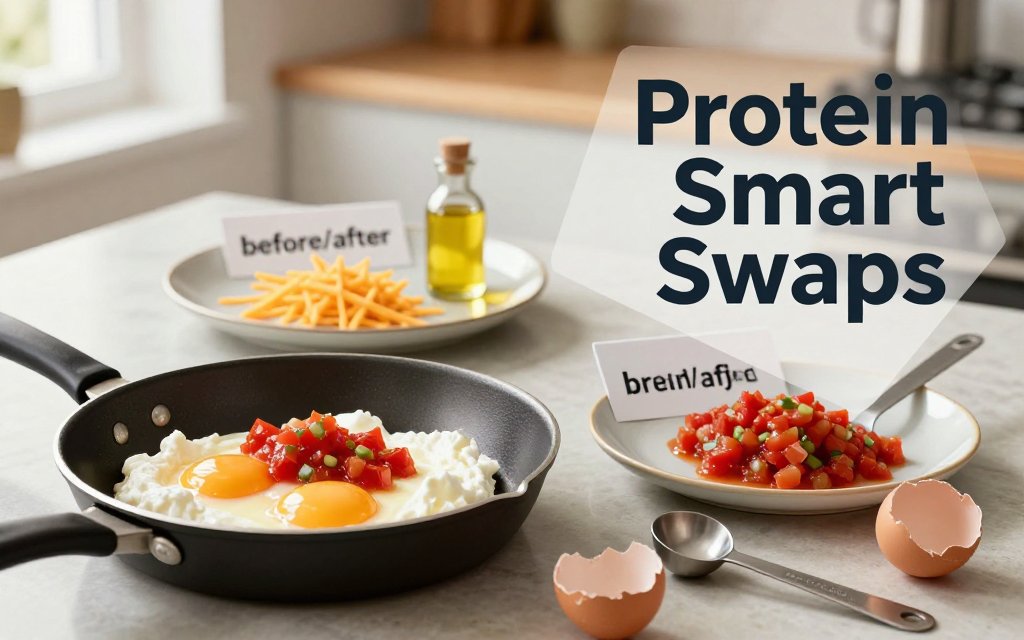
Most “high-protein” breakfasts get calorie-heavy for one simple reason: fat is easy to add without noticing. A drizzle of oil in the pan, a big spoon of nut butter, a handful of granola, a slice of cheese, or a bakery-style “protein” muffin can turn a solid 350 calorie breakfast into a 650 calorie one fast. The goal is not to fear fat (it helps with taste and satisfaction), it is to make it intentional. If you keep protein steady and get picky about the toppings, you can build breakfasts that hit 30g protein without feeling like diet food, and without needing complicated meal prep before work.
Keep fats intentional, not accidental
Here is the coaching rule that fixes most “why is my breakfast so high calorie?” situations: protein and carbs are fairly predictable, but fats are calorie-dense and sneaky. Nutrition labels use the classic 4-4-9 calorie factors, which is why a small add-on like 1 tablespoon of oil (or a thick smear of nut butter) can quietly add as many calories as the main protein itself. That is why I tell clients: if your breakfast is regularly over 500 calories, the fastest fix is usually cutting one fat topping, not cutting the whole meal in half.
Mini swap example number 1 (eggs): “Before” is 3 whole eggs cooked in 1 teaspoon olive oil, plus 1 ounce cheddar. That lands around 430-470 calories and roughly 30g protein, but a lot of the calories come from yolks, oil, and cheese. “After” is 1 whole egg plus 3-4 egg whites cooked in a nonstick pan, then finish with salsa instead of cheese. You end up closer to 230-300 calories while still sitting around 28-32g protein. The taste is still there because you kept one yolk for richness, but you removed the accidental fat sources that were doing most of the calorie damage.
Mini swap example number 2 (creamy bowl): trade full-fat cottage cheese for 2 percent cottage cheese, then watch what you add on top. A generous cup of full-fat cottage cheese can be 220-260 calories, while 2 percent often drops closer to 180-210 calories with similar protein. Now the “healthy topping” trap: 2 tablespoons regular peanut butter is about 180-200 calories, so it can double the calorie load of the bowl. Swap to powdered peanut butter mixed with water (or mixed into the cottage cheese) and that same peanut flavor is often closer to 50-70 calories. You keep the protein base, you keep the vibe, and you free up calories for fruit.
> If your quick breakfast keeps landing above 500 calories, do not overhaul the whole meal. Cut one hidden fat first: oil spray, cheese, nut butter, or pastry. Keep the protein base, then add fruit or veggies for volume.
Mini swap example number 3 (savory side): sausage and cheese are where calories often explode. A typical pork sausage patty or link is higher-fat, and two pieces plus a slice of cheese can push 300-450 calories before you even add eggs or toast. Try lean turkey sausage instead, then pair it with egg whites plus 1 whole egg instead of three whole eggs. You can still build a 30g protein plate, but with a calorie total that fits a weight loss target much more easily. If you log your breakfast in CalMeal, you will usually see it clearly: the calories you “saved” almost always came from trimming fat grams, not from trimming protein grams.
Add volume and fiber without killing macros
Once you have the protein base and you have kept fats intentional, the easiest way to feel full on fewer calories is adding volume and fiber from produce and smart mix-ins. Berries are the classic, but do not overlook “stealth” options that do not taste like vegetables. Shredded zucchini disappears into oats and adds bulk with very few calories. Spinach in an egg-white scramble makes the portion look huge (and it cooks down fast). Salsa on wraps and egg bowls adds flavor and moisture so you do not need as much cheese or mayo. Even a small sprinkle of chia in yogurt can boost fiber and thickness so the bowl feels more like a real meal.
A simple guideline that works for most people is aiming for 5-10g fiber at breakfast, assuming your stomach tolerates it. You can get there without blowing up calories. For example, 1 cup raspberries adds about 8g fiber for around 60-70 calories, and it pairs perfectly with Greek yogurt or cottage cheese. If you like chia, 1 tablespoon can add roughly 5g fiber for about 60 calories, so it is powerful but still something to measure. Want a lower-calorie fiber bump? Add 1-2 cups spinach to eggs (single digit calories), stir 1/2 cup shredded zucchini into oats, or use 2-4 tablespoons salsa on a breakfast wrap instead of a creamy sauce.
If higher fiber breakfasts make you gassy, bloated, or just uncomfortable, do not force it. Ramp up slowly over 1-2 weeks, and pick gentler options first. Cooked fruit or cooked veggies are often easier than raw, and smaller portions spread across meals beat one massive “fiber bomb” bowl. If chia bothers you, start with 1 teaspoon instead of 1 tablespoon, or use berries and zucchini as your main fiber add-ons. Also, drink water with breakfast, since fiber works best when fluids are adequate. If you have IBS, reflux, or any medical GI condition, it is worth checking with your doctor or a registered dietitian before making big fiber changes.
Macro Tracking for Beginners Without Overthinking It
Macro tracking should feel like a helpful receipt, not a report card. The easiest way to make it sustainable is to keep your breakfast boring on purpose, at least during busy weeks. Pick 3 to 5 go-to breakfasts you genuinely enjoy (and can make fast), log them once with care, then reuse those saved meals most days. Research on digital self-monitoring consistently shows that more frequent, consistent tracking is linked with greater weight loss outcomes, especially early on, because it helps you spot patterns and course-correct sooner rather than later. See the numbers in this systematic review on digital self-monitoring.
The 60-second logging routine you will actually repeat
Make breakfast tracking a tiny routine built around one “protein anchor.” That anchor is the main ingredient that gets you close to 30g protein, like egg whites, Greek yogurt, cottage cheese, tofu, turkey, or salmon. Weigh the anchor on a food scale, or use a standard serving that you can repeat (like 3/4 cup liquid egg whites, or a single-serve skyr cup plus extra). Log it, then add your consistent sides. In CalMeal, save the whole breakfast as a preset after the first accurate log so tomorrow is a one-tap repeat, not a brand-new puzzle.
One common pitfall that can throw your numbers off fast is logging cooked vs raw weights inconsistently. Chicken, tofu, oats, and rice can change weight with water loss or absorption, so 120g raw is not the same as 120g cooked. The simple fix is not “always log raw” or “always log cooked,” it is to pick one method for that food and stick to it every time. If you meal prep and always eat cooked portions, log cooked entries. If you weigh ingredients while cooking, log raw entries. When in doubt, sanity-check entries using the USDA FoodData Central database so your saved meals stay consistent week to week.
Tracking is a feedback tool, not a morality test. If one day is messy, log what you can and move on. The value comes from patterns across weeks, not a perfect Tuesday.
FAQ: How do I hit 30g protein without a protein powder?
You have plenty of real-food options: Greek yogurt or skyr, cottage cheese, egg whites, tofu scramble, turkey slices, smoked salmon, and canned fish. Example build 1: 1 cup nonfat Greek yogurt plus 1/2 cup cottage cheese, add berries and cinnamon (about 30 to 35g protein, often 250 to 350 calories depending on brands). Example build 2: scramble 1 cup liquid egg whites with spinach, then add 2 oz smoked salmon on the side, wrap in a low-carb tortilla if you want (about 30 to 40g protein).
FAQ: What is a good low-calorie range for a high-protein breakfast?
For many people, a high-protein breakfast lands nicely around 300 to 450 calories. That range is often enough to fit a deficit while still feeling like a real meal, especially if you center it on lean protein and fruit or high-fiber carbs. A higher range, like 450 to 600 calories, can make sense on hard training mornings, for larger bodies, or if you have a long gap until lunch. A common mistake is cutting breakfast too low, like 150 to 250 calories, then getting overly hungry and overeating later in the day.
FAQ: Should I track macros or just calories for weight loss?
If you are new, start with calories and protein as your two non-negotiables. Hit your calorie target most days, and build meals that reliably get you to a strong protein total, then let carbs and fats fall where they may. After two to four weeks, if you want more structure, add a loose fat target (easy win: measure oils and nut butters) or a carb target around training. Consistency beats precision, and saved meals reduce tracking friction so you can repeat what works instead of redoing math every morning.
The real “macro hack” is adjusting based on progress, not chasing perfect numbers. Give your plan two weeks of mostly consistent breakfasts, then look at your trend. If weight loss is slower than you want, reduce one piece, like cutting oatmeal from 1/2 cup dry to 1/3 cup, or swapping whole eggs for egg whites, which can save about 50 to 150 calories without touching protein much. If you are losing too quickly or feeling drained, add a small carb or fat portion back. For any medical conditions, medications, or history of disordered eating, check in with a clinician. Results come from repeatable habits, not flawless tracking.
Ready to make this effortless every morning? Start tracking your nutrition today with CalMeal. Download it for free and take the guesswork out of calorie counting using AI-powered food recognition that helps you log fast, even when you are in a rush. Grab CalMeal on iOS or Android, then log your next breakfast in seconds.
Start Tracking Your Nutrition Today
Download CalMeal for free and take the guesswork out of calorie counting with AI-powered food recognition.

