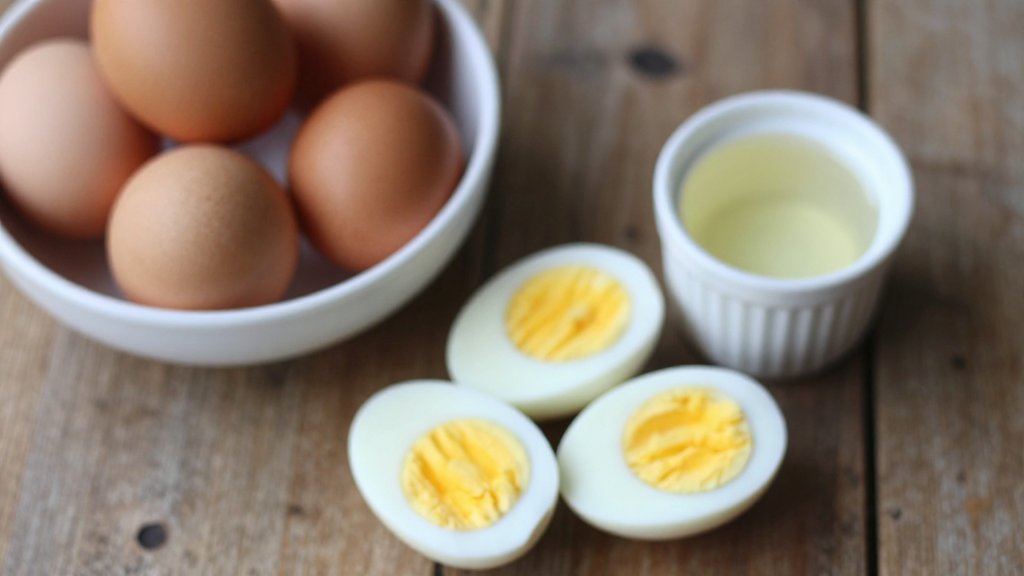
Egg Calories and Egg White Calories Compared
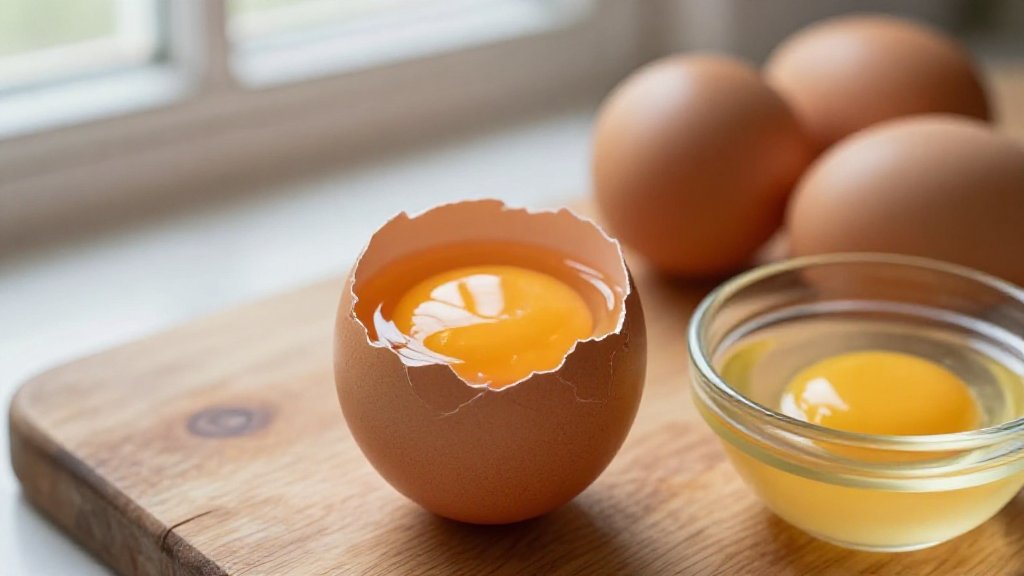
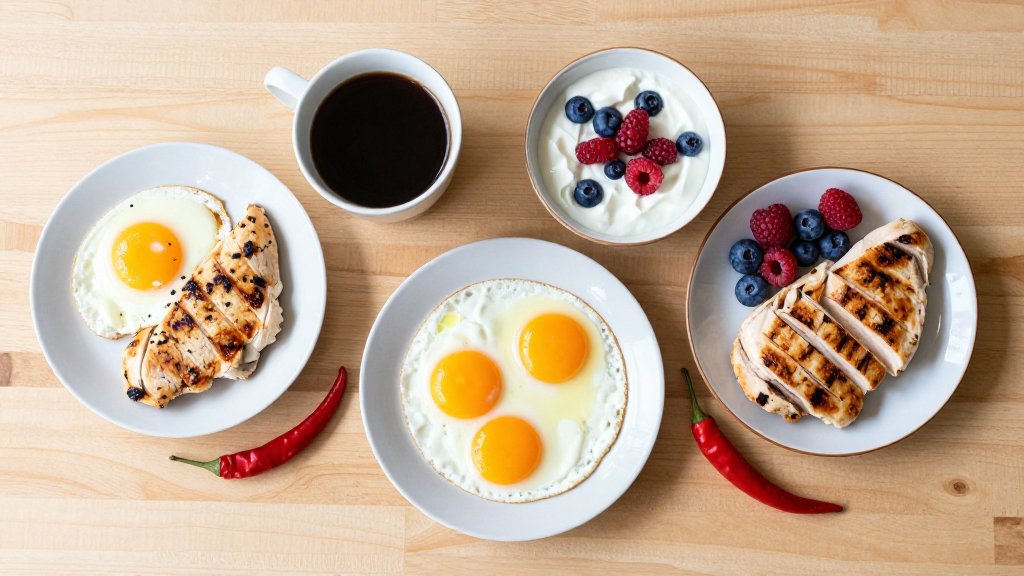
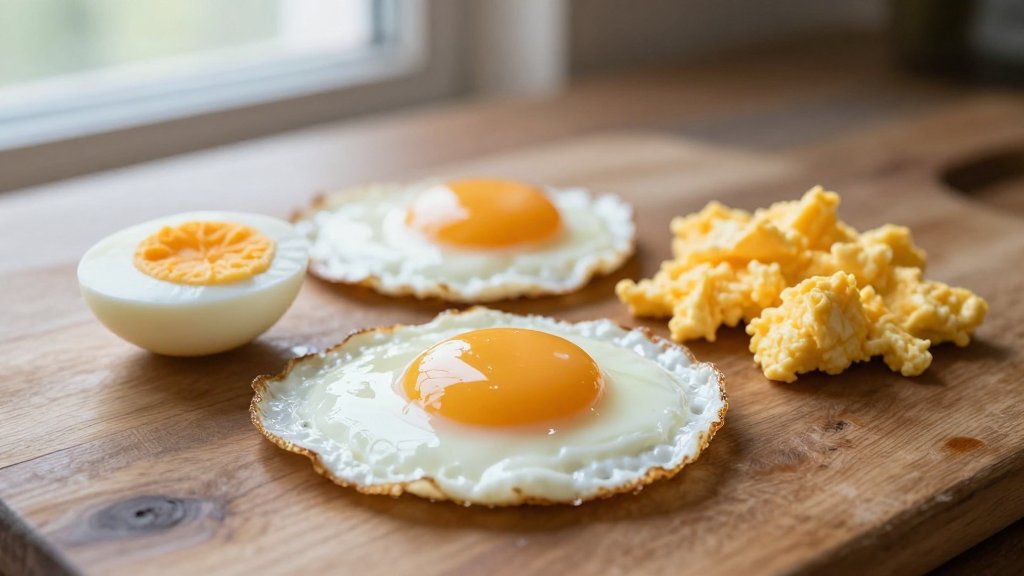
One large egg has about 70 calories and 6 grams of protein. See egg calories for boiled, fried, and scrambled eggs, plus egg white calories and yolk numbers, and how to log them without guessing.
Practical calorie counting tips, nutrition advice, and meal planning strategies to help you reach your goals.

One large egg has about 70 calories and 6 grams of protein. See egg calories for boiled, fried, and scrambled eggs, plus egg white calories and yolk numbers, and how to log them without guessing.

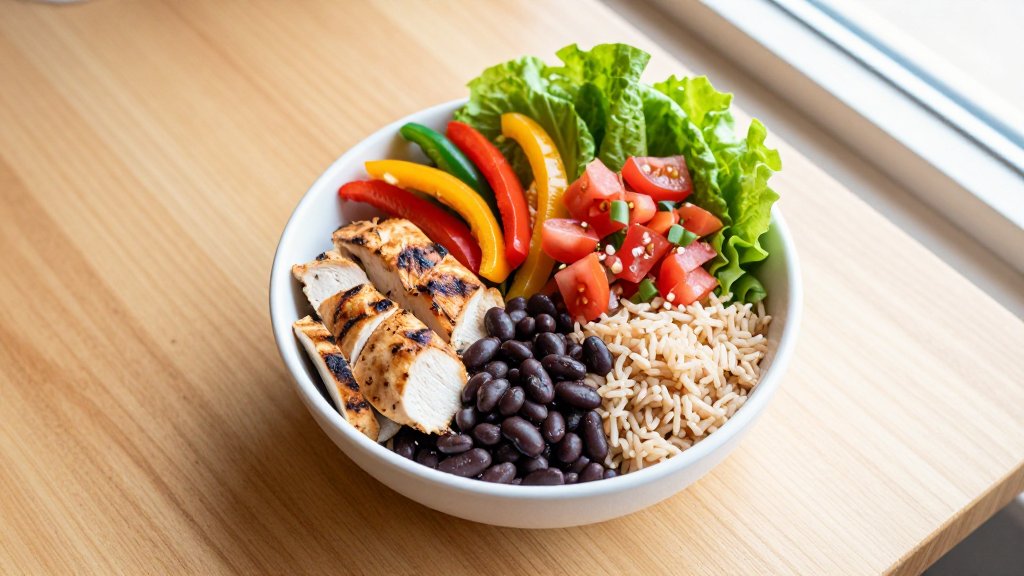
Chipotle bowl calories swing from about 250 to over 900 depending on your order. Here is the calorie and macro cost of every protein, base, salsa and topping, plus how to build a low calorie or high protein bowl.

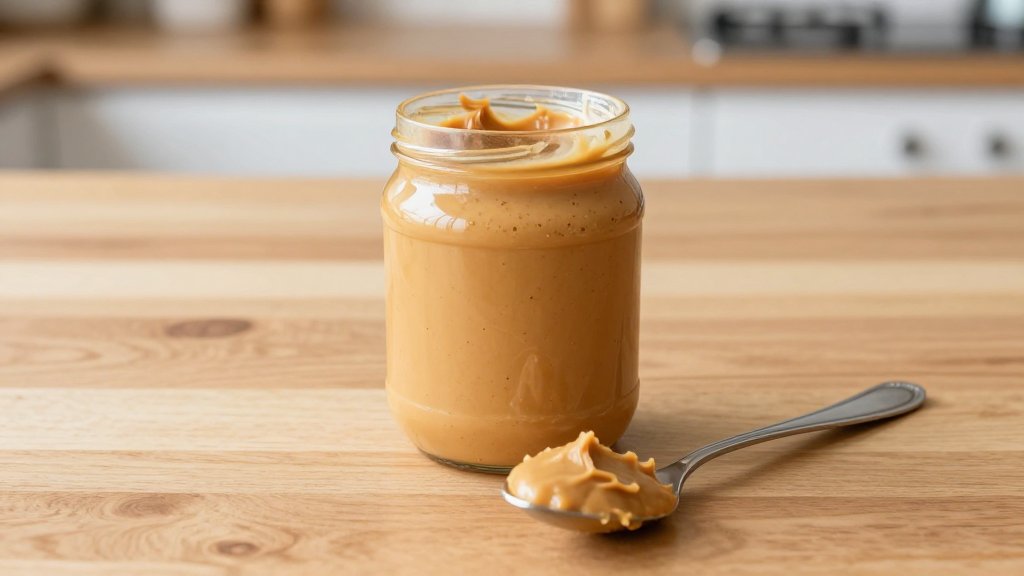
A level tablespoon of peanut butter holds about 96 calories, but a heaping scoop hides far more. Here are the real peanut butter calories, macros, and portion tricks that keep the spread in your weight loss plan.

See the real calories in alcohol for beer, wine, vodka, and cocktails in one clear chart, from a 97 calorie shot to a 568 calorie White Russian, plus the lowest calorie alcohol picks to order next.

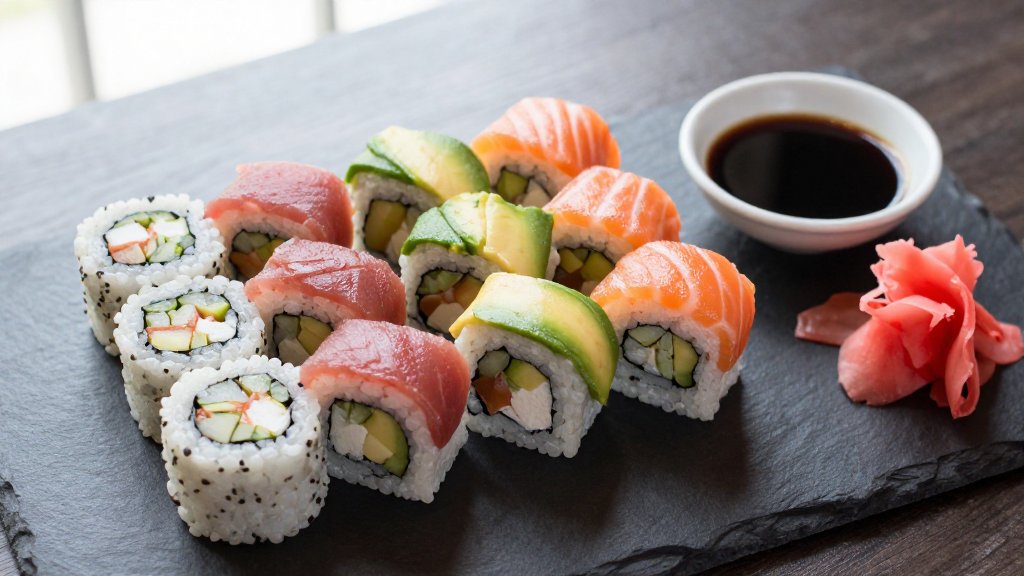
Sushi calories range from 135 for a cucumber roll to 520 for a volcano roll. Use this guide for exact calorie and macro counts for every major roll type, nigiri, and sashimi, so you can build your order without guessing.

Find your maintenance calories, subtract the right deficit, and land on a daily target you can live with. Real ranges from the 2020-2025 Dietary Guidelines, a 3-step formula, and calorie tables by age and activity level.

Use a simple airport snack strategy to stay full, hit protein, and avoid the sneaky “travel calories” that blow up your day. This guide covers the best high-protein, low-calorie airport snacks, macro-friendly orders, TSA-approved options, and quick logging rules so you can stay on track while traveling.

An acai bowl can fit a calorie deficit if you treat toppings like “calorie knobs.” Learn typical acai bowl calories, dial in macros, and build a filling bowl under 500 calories without sacrificing taste.

Calorie banking is a simple way to plan for weekends without feeling like you “blew it.” You set a weekly calorie budget, intentionally eat a bit lighter on some weekdays, then spend those saved calories on restaurants, drinks, and social meals while still staying on track for fat loss.

The Protein Density Rule turns “eat less” into a practical, low-friction system: aim for a minimum grams-of-protein-per-100-calories target so your meals stay filling, your cravings drop, and your calorie deficit feels doable without constant willpower battles.

Slept badly and woke up starving? This guide explains why sleep deprivation spikes hunger and cravings, then gives a simple, trackable macro adjustment plan for the next day so you can stay in a calorie deficit without feeling miserable.

Breastfeeding can burn a meaningful number of calories, but cutting too hard can backfire on energy, recovery, and milk supply. This guide gives a practical, numbers-based way to set a safe calorie deficit, hit protein and key nutrients, and log meals in CalMeal without obsessing.

A practical vegetarian meal prep plan that consistently lands around 100g protein while keeping calories near 1800, with portion sizes, macro targets, and logging tips for busy weekdays.

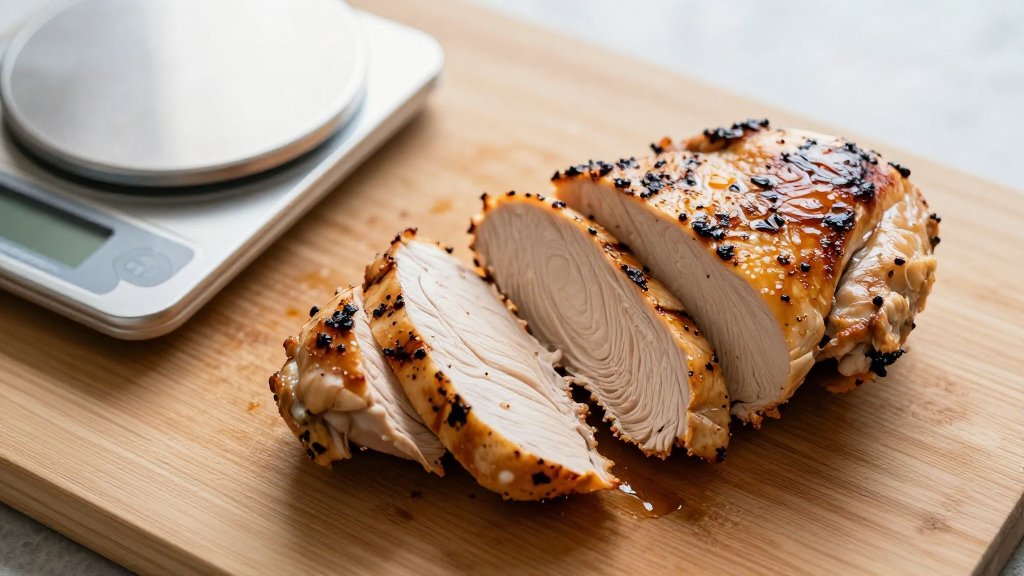
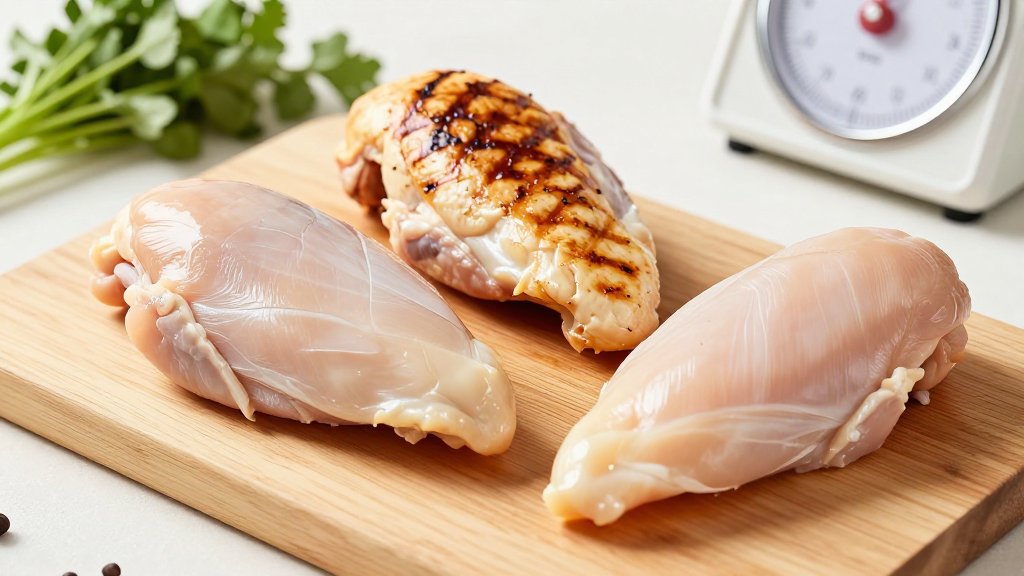
Costco rotisserie chicken can be a macro-friendly shortcut, but your calories can swing a lot depending on skin, cut, and how you measure. This guide gives simple, repeatable logging rules for breast vs thigh, skin on vs off, serving sizes by weight, and sodium tips so the scale does not spook you.

Protein sodas and functional drinks can look “diet-friendly” but calories, fiber math, and sneaky add-ins add up fast. This guide breaks down what to look for on labels, how Poppi and Olipop typically compare, and the easiest way to log sparkling protein drink macros accurately so you stay in a deficit.

Stuck in a fat loss plateau or feeling cooked from weeks of dieting? This guide shows when a diet break is the smarter move, how to estimate maintenance calories, set diet break macros, and choose the right length so you return to cutting with better adherence and a clearer weekly calorie average.

NEAT is the calorie burn you get from everyday movement like walking, standing, cleaning, and fidgeting. Learn what it is, why it matters when fat loss stalls, and the simplest ways to increase daily activity at home or at the office without adding workouts.

Creatine can make the scale jump, especially in the first 1-3 weeks, but that is usually water stored in muscle, not fat gain. This guide explains what is happening, how much weight to expect, and how to track real fat loss while taking 3-5 g creatine monohydrate daily in a calorie deficit.
Sharing food does not have to break your calorie or macro goals. This playbook shows simple, repeatable ways to estimate portions from family-style meals, tapas, hot pot, and shared plates, so your logs stay accurate without turning dinner into math class.

Use a simple BBQ plate formula to build a satisfying cookout meal that still fits your calorie deficit. Get quick portion estimates for burgers, hot dogs, sides, and sauces, plus a logging checklist you can reuse for Memorial Day, July 4th, and tailgates.

Confused about prebiotics vs probiotics? This guide breaks down what they do, shares practical prebiotic and probiotic food lists, and shows how to hit fiber goals and log fermented foods so you can support gut health while staying in a calorie deficit.

Night shifts can scramble hunger cues and make calorie tracking feel pointless. This guide shows you how to set a realistic calorie target, choose a consistent 24-hour tracking window, and plan meals and snacks around sleep so fat loss keeps moving without white-knuckling cravings.

Want your AI calorie counter photo scans to be spot-on? These 9 practical tips help you take better food photos, improve food recognition, and get more reliable portion estimates so you spend less time fixing logs and more time hitting your goals.

Dieting makes calories easy to track and micronutrients easy to miss. This practical checklist shows the most common hidden deficits during weight loss, how to spot them in a calorie tracker, and how to fix gaps with nutrient-dense low-calorie foods without blowing your calorie budget.

Use the satiety index idea to pick the most filling foods per calorie, build meals that keep hunger low in a calorie deficit, and log them fast in CalMeal. You will get a practical satiety-focused food list, simple meal formulas, and a volume eating plan that still hits your macros.

Want cheap high-protein foods without blowing your calorie deficit? This guide shows a simple price-per-gram protein method to compare foods fast, build a budget grocery list for weight loss, and turn low-cost staples into macro-friendly meals.

If you are in a calorie deficit but the scale is bouncing around, you are not failing. This guide breaks down water weight vs fat loss, what causes daily weight fluctuations (glycogen, sodium, stress, creatine, hormones), and a simple step-by-step system to track true progress with trend weight.

If your weight loss progress feels slower than your meal logs suggest, sauces and dressings are a common culprit. This guide shows the real calorie math behind “just a little,” how to track condiments accurately (tablespoons vs grams), and simple habits that stop under-logging without killing flavor.

Learn how to use a 1 to 10 hunger and satiety scale to log meals, avoid eating past comfortable fullness, and pair mindful hunger cues with calorie tracking for steady weight loss without obsessing over a food scale.

If nighttime cravings keep blowing up your calorie deficit, you do not need more willpower. You need a simple reset: (1) protect your evening calories and macros, (2) break the craving habit loop, and (3) build a wind-down routine that makes snacking feel unnecessary.
A practical guide to using CGM patterns plus calorie and macro tracking to build meals that keep glucose steady, reduce post-meal crashes, and support fat loss. Includes real food examples, a simple spike-prevention checklist, and meal ideas you can rotate all week.

Dual-column Nutrition Facts can quietly double your logged calories if you grab the wrong column. Learn how to spot “per serving” vs “per package,” do the quick math, and log packaged foods accurately without overthinking it.

Protein does raise the thermic effect of food, but it is not a magic calorie eraser. This guide explains TEF, realistic calorie ranges for protein vs carbs vs fat, whether calorie trackers include TEF, and simple rules for adjusting targets when you go higher-protein without overthinking your log.

A fast, repeatable way to count calories in homemade food, build accurate recipe macros, and log batch cooking or family-style meals without turning dinner into a math project.

Want frozen meals that actually help with weight loss? Use one simple protein-to-calorie ratio rule to shop smarter, spot label traps fast, and build a reliable list of macro-friendly frozen dinners for a calorie deficit.

“0 calorie” cooking spray can still add up if you cook daily. Learn why labels can say zero, how many calories you likely spray per second, and the simplest accurate ways to log it (grams, seconds, or a default entry) so weight loss math stays honest.

You finished a cut, the scale is down, and now the scary part starts: eating more without regaining fat. This guide walks you through a practical reverse diet plan, how fast to add calories, what weight changes are normal, and how to set macros so your maintenance phase actually sticks.

If your food logging is tight but the scale is stuck, your missing lever is often movement outside the gym. This guide shows how walking pads and step tracking boost NEAT, break calorie deficit plateaus, and fit into a busy professional routine.

Ninja Creami protein ice cream can be a high-protein, low-calorie dessert, but most calorie logs are off because of mix-ins, respins, and serving-size math. This guide shows exactly how to calculate macros per pint, avoid common tracking mistakes, and log homemade and store-bought pints accurately while staying in a calorie deficit.
Added sugar adds calories fast, often in foods that do not taste sweet. This guide shows you exactly how to spot added sugars on labels, decode percent Daily Value, avoid common “healthy” sugar traps, and track added sugar quickly without feeling like you are dieting.

A practical, plug-and-play 7-day carb cycling template for fat loss, including how to set high and low day macros, match carbs to strength training, and log everything easily in a calorie tracker.

Sodium can make the scale jump overnight and potassium can change how you feel in a workout, but neither one “breaks” fat loss. Here is how to log electrolytes in a way that explains water retention, improves training, and keeps your calorie deficit on track.

Feeling hungrier and heavier before your period is common, and it does not mean fat gain. This practical luteal phase hunger plan explains why appetite and water retention rise, how many calories you may need, and exactly how to adjust macros and logging without derailing fat loss.

Build a snack board under 100 calories that actually keeps you full. Use simple “protein + fiber + volume” combos, exact portions, and quick logging tricks to stop mindless snacking while staying in a calorie deficit.

If you are dieting and trying to keep your muscle, your daily protein total matters, but your per-meal protein matters too. This guide gives a simple per-meal target that reliably hits the leucine threshold, explains why protein distribution beats random snacking, and shows easy meal templates you can repeat in a calorie deficit.

Fibermaxxing is the simplest “eat more, weigh less” strategy that actually feels doable: prioritize high-fiber, low-calorie foods until you reliably hit about 30g of fiber a day. This guide shows what fibermaxxing is, why it helps with satiety and gut health, and exactly how to track fiber in a macro app without accidentally overeating calories.

Cottage cheese is one of the easiest high-protein, low-calorie staples. This guide breaks down cottage cheese calories and macros by serving size, then shows you how to build viral-style bowls, whipped cottage cheese spreads, and meal-prep combos that actually fit your calorie budget.

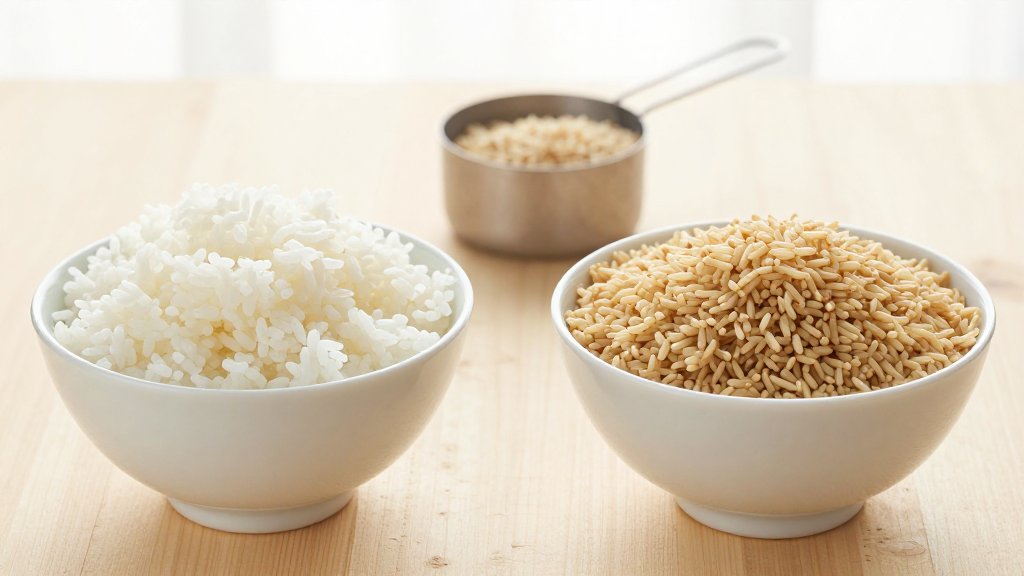
If you meal prep, the raw-vs-cooked question can quietly wreck your calorie and macro math. This guide gives a simple rule-set, real food examples (rice, pasta, chicken), and a reliable way to log batch-cooked meals without database guesswork.

If your logged calories feel “too good to be true,” the culprit is often serving-size math. This guide shows you how to read Nutrition Facts labels, calculate calories per serving vs per container, and handle two-column labels so you stop underlogging packaged snacks and track macros accurately.
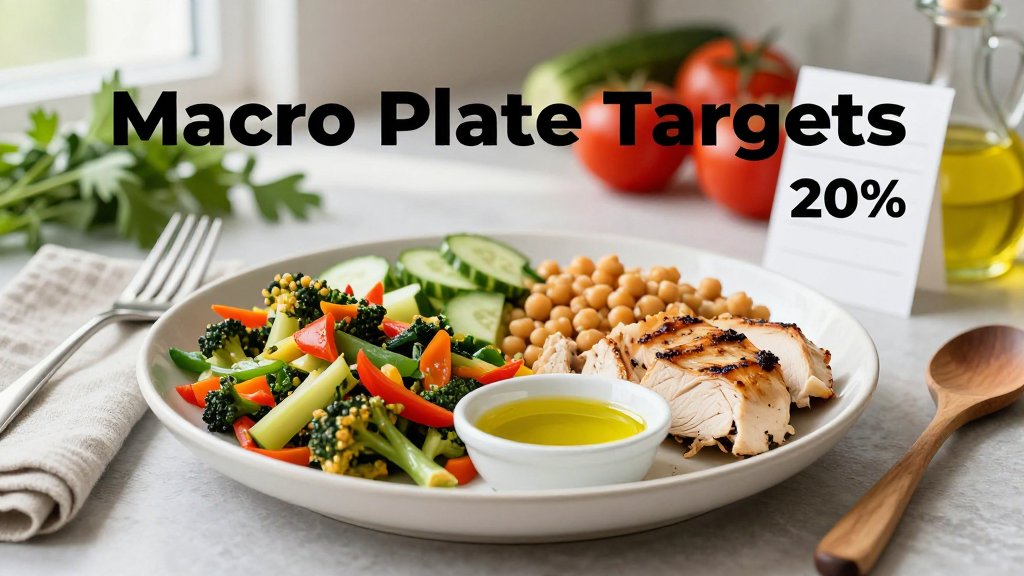
If you are eating fewer calories but the scale is climbing, you are not broken. Most of the time, it is water, glycogen, digestion, hormones, or tracking drift. Here is a practical, non-panicky way to read daily weigh-ins and keep fat loss moving.