Does Intermittent Fasting Work Without Calorie Tracking?
Intermittent fasting can help with weight loss without strict calorie counting, but only if it reliably creates a calorie deficit. This guide explains how 16:8 meal timing affects hunger, how to hit protein goals, what to eat in your eating window, and simple ways to track meals without obsessing.
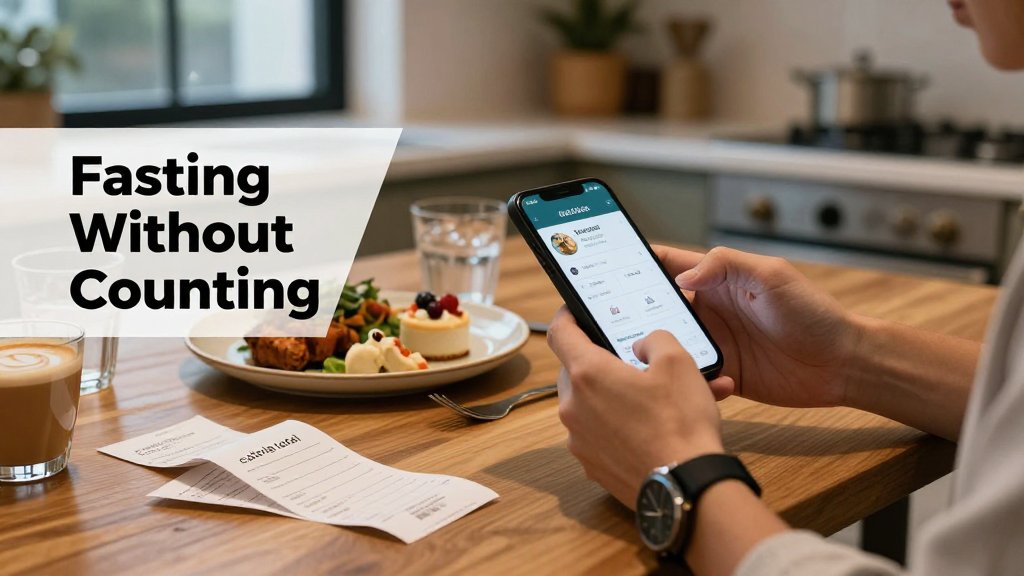
If you skip breakfast and eat in a smaller daily window, will the scale actually move without tracking anything? That is the question most people have, especially if calorie counting feels exhausting. Intermittent fasting can work, but it is a schedule, not a magic fat-loss switch. In this article, you will learn when fasting naturally creates a calorie deficit, when it backfires, and how to make results predictable. You will also get simple options like protein-first meals, repeatable templates, or a quick photo log.
Can intermittent fasting cause weight loss by itself?

Intermittent fasting can absolutely support weight loss, but only when it quietly creates a consistent calorie deficit, even if you never track a single calorie. Research comparing intermittent fasting with continuous calorie restriction generally finds similar weight loss when the energy shortfall is similar, which is another way of saying the deficit is doing the heavy lifting, not the clock. One helpful example is a meta-analysis that found no meaningful advantage in weight loss for intermittent approaches over continuous restriction when compared head to head. (pubmed.ncbi.nlm.nih.gov)
That is also why people often see early progress. A shorter eating window tends to erase “bonus calories” without effort: fewer snacks, fewer chances to impulse-buy food, less late-night grazing, and less mindless tasting while you are doing other things. Some people also see quick scale drops in the first week because eating less carbohydrate and less overall food can shift water weight (your body stores water with glycogen). That early change can be motivating, but it can also mask what is really happening: simpler habits are lowering intake, at least at first.
Then the stall shows up. Picture a busy professional doing 16:8: coffee in the morning, first meal at noon, dinner by 7:30, done. Monday through Thursday feels clean and controlled, so Friday becomes “I earned it.” Dinner turns into a huge restaurant meal plus a couple drinks, maybe an appetizer “for the table,” and something sweet at home because the week was stressful. They still fasted 16 hours, but the eating window became a daily free-for-all in disguise. At that point, nothing is “wrong” with fasting, it is just no longer reducing calories.
Why the eating window helps most people eat less
The eating window works best as a behavior tool. It reduces decision points and removes common trigger moments, especially the ones that do not even feel like “real eating.” A classic example is the morning latte plus pastry routine: a flavored 16 oz latte can easily be 200 to 350 calories, and a coffee-shop muffin, scone, or croissant can add 300 to 450 calories. That is 500 to 800 calories gone without tracking, simply because breakfast is not part of your schedule right now. Over a week, even a 300 calorie daily reduction can matter.
If you like 16:8, think of it less as a metabolism hack and more like guardrails. Meal timing can make it easier to keep hunger predictable: you learn when you are “actually hungry” versus bored, stressed, or just following the clock. Many people do best with two solid meals and one planned snack inside the window, built around protein and fiber. Example: a 550 calorie lunch (turkey sandwich on whole grain, Greek yogurt, berries) and a 700 calorie dinner (salmon, roasted potatoes, big salad) can be a reasonable day for weight loss, depending on your needs. (academic.oup.com)
The hidden ways calories creep back in
The most common trap is the “I fasted, so I earned it” mindset. The math is simple: if your two meals are bigger than your old three meals, fasting will not create a deficit. This shows up as an oversized first meal (because you are ravenous), restaurant portions that are designed for leftovers, calorie-heavy drinks inside the window, and “harmless” nibbles while cooking that never get counted. Trials also suggest that time restriction by itself is not automatically better than consistent meals if intake does not drop, which is why some people see no added benefit when they eat freely in the window. (clinician.nejm.org)
If fasting feels easy but the scale is stuck, do a 3-day reality check: photograph everything in your eating window, include drinks and bites. If portions are bigger than before, shrink the portions, not the window.
Hunger, habits, and meal timing are the real mechanism
So yes, intermittent fasting can cause weight loss “by itself” in the sense that you might not need to track anything for it to work, at least at first. What is really happening is habit change: fewer opportunities to eat, fewer food decisions, and a routine that nudges portions down. If hunger is your problem, prioritize what helps hunger most inside the window: protein at both meals (30 to 45 g each for many active adults), high-volume produce, and a planned snack instead of random grazing. If you have diabetes, a history of disordered eating, or take medications, check with your clinician first.
When progress slows, you do not need hardcore calorie counting forever, but you usually need a lightweight feedback loop. A quick strategy is tracking just three things for 7 days: a rough portion estimate (hand-sized protein, fist-sized carbs, thumb-sized fats), calorie-containing drinks, and restaurant meals. CalMeal can make that lighter by logging meals fast and helping you spot the “big hitters” that break your deficit. If you are also managing appetite changes from medication, pair your routine with GLP-1 protein and fiber tracking so your eating window is filled with foods that actually keep you full.
How a calorie deficit works inside a 16:8 schedule
Fasting is the container, the calorie deficit is the driver. A 16:8 schedule (for example, eating from 12:00 pm to 8:00 pm and fasting the other 16 hours) can make weight loss simpler because it limits the number of chances you have to eat. Still, the fasting window itself does not “burn fat” if your eating window consistently replaces or exceeds the calories you would have eaten across a full day. In plain terms, 16:8 is a structure that can help you land in a deficit more often, but it cannot magically override your weekly energy balance. (healthline.com)
A calorie deficit just means you are eating less energy than your body uses, on average. If your body burns about 2,200 calories a day (through resting metabolism, steps, workouts, and just being alive) and you average 1,900 calories a day, you are in a deficit. The key word is average. You can eat a little more on Tuesday and a little less on Wednesday, and the weekly pattern is what moves the scale. This is why you can absolutely lose weight on 16:8 without tracking every bite, but you cannot lose weight without the deficit showing up somewhere in your week. If you want a “no math” helper, build meals around high-volume foods and keep portions honest. One easy place to start is using energy density hacks for fewer calories so your plate looks full without quietly turning into a calorie bomb.
Think of 16:8 like a shopping cart: it limits how much you can carry at once, but you still choose what goes in. If the cart is filled with calorie-dense add-ons, the total still climbs.
Intermittent fasting calorie deficit: what it actually means
Fat loss happens when your average weekly intake is lower than what you burn, and daily fluctuations are normal. Many adults maintain somewhere around 1,800 to 2,800 calories per day depending on body size, job activity, steps, and training, so a consistent 250 to 500 calorie daily deficit often lines up with roughly 0.5 to 1.0 lb per week for many people. That is a typical range, not a promise, and your results can be slower or faster depending on water retention, sleep, stress, and starting weight. A helpful reference point is that the NIH commonly discusses gradual loss of about 1 to 2 pounds per week as a sustainable pace for many people. NIH healthy weight guidance. (newsinhealth.nih.gov)
Inside a 16:8 schedule, the deficit usually comes from fewer “extras,” not from skipping breakfast alone. If your eating window is 12:00 to 8:00, you might have a 550 to 750 calorie lunch and a 650 to 900 calorie dinner. If you stop there, many people land in a deficit without trying. If you add a few common calorie-dense items, the deficit disappears fast: a large flavored latte (200 to 400), a handful of nuts while cooking (200), and a couple of drinks at night (250 to 500 each) can turn the same two-meal day into maintenance or a surplus. If you have diabetes, a history of eating disorders, are pregnant, or take medications that require food timing, check with your clinician before compressing your eating window.
Two real-life 16:8 days: deficit vs surplus
Here is how two “I only ate twice” 16:8 days can go in opposite directions. Both examples assume an eating window like 12:00 pm to 8:00 pm. The deficit day has protein anchored early (which tends to improve fullness later) and a balanced dinner. The surplus day starts light, then stacks restaurant portions, dessert, and drinks at night. This is the pattern that surprises people most: two meals can still land at 2,500 to 3,500 calories if the meals are calorie-dense and the add-ons are liquid. (www2.niddk.nih.gov)
| Item | Deficit | Surplus |
|---|---|---|
| Lunch | Chicken salad bowl | Bagel, latte |
| Dinner | Salmon, rice, veg | Burger, fries |
| Snack | Greek yogurt | Cheesecake slice |
| Drinks | Sparkling water | 2 cocktails |
| Total | 1850 kcal | 3200 kcal |
If you do not want to track calories daily, use a quick “spot-check” method to keep 16:8 working. Pick one meal a day to standardize for two weeks (same bowl, same ingredients, same portions), then rotate dinner options while keeping protein and produce consistent. A simple deficit-friendly template is: 30 to 45 g protein at lunch (chicken, tofu, tuna, lean beef), 2 fists of vegetables at both meals, and one measured carb or fat add-on (1 cup cooked rice, or 1 to 2 tbsp olive oil, not both without thinking). If progress stalls for 2 to 3 weeks, log just 2 typical days in CalMeal to reveal the hidden calories, then go back to intuitive eating with better “guardrails.”
Macros without obsession: protein-first fasting strategy
If you only track one thing while intermittent fasting, track protein. Not carbs. Not fat. Not even calories (at least not at first). Protein is the easiest “macro lever” to pull because it supports appetite control, helps you hold onto muscle while you lose body fat, and gives your eating window instant structure. That last part matters more than most people expect: when you have fewer meals, every plate needs to do more work. A protein-first approach keeps fasting simple for busy days, and it helps beginners avoid the common trap of breaking a fast with low-protein snack foods that quietly stack up calories. If you have medical conditions or take glucose-lowering medication, check with your doctor before changing meal timing or protein targets.
If your fasting plan feels chaotic, pick a protein number and hit it first. Two protein-anchored meals make it much harder to accidentally under-eat nutrients or overeat snack calories later.
Protein goals while intermittent fasting: simple targets that work
Use one of these two target styles and stick with it for 2 weeks before you tweak anything. Option A (very simple): 25-40 g protein per meal for most people, and aim for 2 meals in a 16:8 window. Option B (more personalized): 0.7-1.0 g protein per pound of goal body weight per day. For example, if your goal weight is 160 lb, your daily range is about 112-160 g protein. You do not need to hit the exact number every day. Think “range, not perfection.” This is also consistent with research on protein and weight loss that discusses higher daily protein intakes and meal sized protein as a practical appetite and body composition strategy.
Here is what “split it across a 16:8” can look like without turning your phone into a calculator. Start by anchoring two meals at 35-50 g protein each. That gets you to 70-100 g with minimal effort. If your goal is higher, add an optional high-protein snack worth 20-30 g. Example: Meal 1 at 12:00 pm is 45 g, Meal 2 at 7:00 pm is 45 g, snack is 25 g. Total is 115 g protein, which lands nicely for many goal weights. If you want a simple guardrail, try this rule: if a meal has less than 25 g protein, it is probably more of a snack, even if it feels “meal sized.”
Quick protein math makes this doable in real life. Roughly speaking, 6 oz cooked chicken breast lands around 50 g protein, 1 can of tuna is often about 25-30 g, 1 scoop whey protein is commonly about 20-30 g (check your label), and 1 cup plain nonfat Greek yogurt is often about 20-25 g. For plant-based options, tofu varies by brand, but a typical “half block” (about 7-8 oz) often lands around 20 g protein. Put that into two meals: Meal 1 could be a tuna bowl (1 can tuna + 1 cup Greek yogurt mixed as a creamy dressing) for roughly 45-55 g protein. Meal 2 could be 6 oz chicken for about 50 g, plus veggies and carbs.
What to eat during your eating window to stay full
To stay full (and make fasting feel easier), build meals with a simple template: protein + high-fiber carb + colorful veg + a measured fat. Protein is the anchor, fiber gives you volume, and a little fat helps meals feel satisfying so you are not prowling the pantry at 9:30 pm. “Measured fat” matters because it is easy to pour 300 calories of olive oil without realizing it. A practical starting point is 1-2 teaspoons of oil for cooking or 1 tablespoon of dressing, then adjust based on results and hunger. If you prefer no tracking, just keep the fat portion consistent for a week so you can actually learn what it does for your appetite.
Meal ideas that fit the template (and do not require gourmet cooking): an egg scramble with spinach, peppers, and onions plus roasted potatoes (add a side of cottage cheese if you need more protein); salmon with rice and a big salad (use lemon and a measured drizzle of olive oil); turkey chili with beans (easy to batch cook and naturally high in fiber); tofu stir-fry with frozen veggies and microwave jasmine rice (add edamame for extra protein). If you want two concrete 16:8 meals, try this: Meal 1 is 3 whole eggs plus 1 cup egg whites with veggies, and 8 oz potatoes. Meal 2 is 6 oz salmon, 1 cup cooked rice, and a salad kit.
One more beginner tip that solves a lot of “fasting made me feel terrible” complaints: hydration and sodium. When you tighten your eating window, you often accidentally cut fluids and salt, and that can show up as headaches, low energy, or feeling lightheaded, especially in the first week. Aim for a steady water routine (for many people, 2-3 liters per day is a reasonable ballpark), and do not fear salting your food. If you sweat a lot or drink a lot of coffee, consider a simple option like a cup of broth during the eating window, or adding electrolyte powder without added sugar. If symptoms persist, or if you have blood pressure or kidney concerns, check in with your clinician.
Do you need tracking, and what is the easiest way?
Pick the lightest tracking method that fixes your current problem. If your weight loss stalled, you probably need better portion awareness. If you are hungry and snacky, you probably need more protein and fiber in the first meal. If weekends erase weekday progress, you might need a simple boundary like, “two planned meals, one planned treat,” instead of perfect numbers. Your goal is not to become a human calculator. Your goal is to remove the one or two blind spots that keep you out of a calorie deficit, even with a fasting schedule.
Level 1 is no tracking, just meal templates with a protein anchor. Think “protein plus plants” at the start of each meal, then add carbs and fats based on training and hunger. A simple template is 30 to 40 g protein (chicken breast, tofu, Greek yogurt, eggs), 1 to 2 fists of vegetables or fruit, and a carb portion like 1 cup cooked rice or a medium potato if you need it. Example: a 550 to 700 calorie bowl might be 5 oz chicken, 1 cup rice, salsa, and a big pile of sautéed peppers and onions. Most people accidentally under-eat protein and overdo calorie-dense extras like cheese, oil, and nuts.
Level 2 is quick meal logging with estimates. You do not need a food scale for every bite. You can log “2 eggs,” “1 banana,” “1 cup cooked pasta,” “1 tablespoon olive oil,” and move on. This is also the easiest way to track while fasting because you only log during your eating window, or you pre-log your first meal before the window opens so you start with a plan, not a panic. If your day is chaotic, do a photo log first (snap a picture of your meal), then confirm the details later when you have 2 minutes. Consistency beats accuracy here, 80 percent right is usually enough to spot patterns like liquid calories, unplanned snacks, or oversized portions.
Level 3 is short-term calorie tracking for 7 to 14 days to calibrate portions, then you can go back to Level 1 or Level 2. This works well if you are “doing everything right” but results are slow, because the math is often hiding in condiments and cooking fats. Two tablespoons of peanut butter can be about 190 calories, and one restaurant “healthy” salad can quietly hit 900+ once you count dressing, cheese, croutons, and nuts. Research consistently finds that more consistent dietary self-monitoring is linked with better weight outcomes, partly because it helps people stick closer to calorie targets, especially when logging happens close to the time you eat. (pmc.ncbi.nlm.nih.gov)
Breaking a fast best foods: what to eat first
Break your fast with protein and fiber first, keep fats moderate if your stomach is sensitive, and avoid a sugar bomb that triggers rebound hunger. Easy starters: Greek yogurt plus berries (add cinnamon, save granola for later), eggs and fruit, chicken and rice with a side salad, lentil soup with extra chicken, or a protein shake plus a banana if you are rushing between meetings. A practical target is 25 to 40 g protein in the first meal, then add carbs or fats based on your day. If you break a fast with pastries, candy, or sweet coffee drinks, it can feel like fasting “stopped working,” but it is usually just a blood sugar spike followed by stronger cravings and a bigger second meal.
If fasting feels harder, it usually is not the clock. It is the food choices after the fast. Start with protein, add fiber, then eat your treat intentionally, and keep portions steady for two weeks.
Does intermittent fasting work without calorie tracking?
Yes, it can, if the eating window naturally lowers your calorie intake. Many people eat fewer calories simply because they have fewer chances to snack. For example, an NIH-highlighted time-restricted eating study in people with metabolic syndrome reported an average weight loss of about 6.6 pounds, and the researchers noted it was mainly fat loss. That does not mean fasting is magic, it means it can make a calorie deficit easier for some people. If progress stalls, add a light tracking level for a week to find the bottleneck. See the NIH overview of time-restricted eating. (nih.gov)
What are the biggest intermittent fasting mistakes that stop weight loss?
The biggest mistakes are sneaky calorie creep and inconsistent routines. Common ones: breaking your fast with sweets or a giant “reward” meal, sipping calories during the fast (cream-and-sugar coffee, alcohol, juices), underestimating oils, sauces, and handfuls of nuts, and eating too little protein so you stay hungry. Another big one is the “weekday fast, weekend free-for-all” pattern, which can erase the deficit you built Monday through Friday. Fix it with a planned first meal, a protein anchor at both meals, and one intentional treat instead of grazing. If you feel puffy or stalled, also look at sleep and late-night salty meals, which can mask progress on the scale.
Should I track macros or calories while doing 16:8 intermittent fasting?
Start with protein and calories, then add macros only if you need them. For most people doing 16:8, hitting a steady protein target (often 25 to 40 g per meal, depending on body size and training) makes the schedule easier and reduces random snacking. If you lift, tracking protein plus a rough calorie range is usually enough. If you are stalled after 2 to 3 consistent weeks, do 7 to 14 days of calorie tracking to calibrate portions, then relax back to estimates. You do not need perfection, you need consistency.
Ready to start tracking your nutrition today without turning it into a second job? Download CalMeal for free and take the guesswork out of calorie counting with AI-powered food recognition. Snap your meals, get fast estimates, and stay consistent even on busy days. Grab CalMeal on iOS or Android, then start logging your next meal and build momentum today.
Start Tracking Your Nutrition Today
Download CalMeal for free and take the guesswork out of calorie counting with AI-powered food recognition.

