Intermittent fasting for weight loss with a 16:8 schedule
Intermittent fasting for weight loss works by shrinking your eating window to 8 hours, which quietly cuts calories. Here is how the 16:8 schedule works, what to eat, what to drink, and what the research says you can realistically lose.
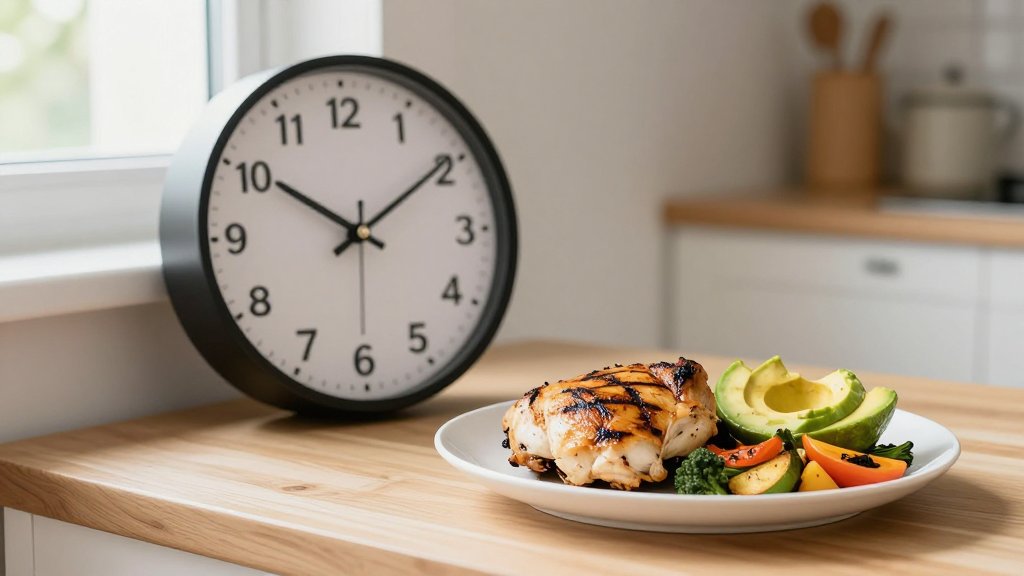
Intermittent fasting for weight loss works for one plain reason. When you squeeze all your meals into an eight hour window, most people eat less without counting a single calorie. In a 2018 trial, people with obesity who ate only between 10 a.m. and 6 p.m. took in about 350 fewer calories a day and lost close to 3% of their body weight in three months, and their blood pressure dropped too.
The 16:8 method is the version most people start with. You fast for 16 hours, eat during 8, and stick to water or black coffee the rest of the day. It isn't magic, and the weight loss from intermittent fasting comes from that quiet calorie gap, not the clock. Pair it with decent food and the results hold up against old fashioned calorie counting.
How intermittent fasting for weight loss actually works
Your body runs on glucose first. After roughly 10 to 12 hours without food, those stores run low and it starts pulling energy from stored fat instead, a shift researchers call the metabolic switch. A 16 hour fast reaches that window most days, which is why people reach for intermittent fasting for fat loss.
Still, the fat you burn overnight is not the whole story. Time restricted eating trials show an average loss of about 3% of body weight, and a 2023 study found time restricted eating matched calorie counting, with both groups losing near 5% over a year. The reported intermittent fasting benefits go past the scale too, with studies noting lower blood pressure and steadier blood sugar.
After 10 to 12 hours without food, your glycogen stores run low and your body starts burning stored fat for energy instead of glucose.
Does a shorter eating window burn more fat?
Not really. The UIC research review found people lost about the same 3% of body weight regardless of when the eating window fell. A tighter window can help if it stops late night snacking, but there is no fat burning bonus for suffering through a longer fast. Consistency beats extremes here.
The 16:8 intermittent fasting schedule, hour by hour
Pick an eight hour window that matches your real day, then fast the other 16 hours. Most people land on one of a few patterns. The right intermittent fasting schedule is simply the one you can repeat on a Tuesday and again on a Saturday without much thought.
Best time to fast for weight loss
There is no single best time to fast for weight loss, but an earlier window has a small edge for some people because it stops the late evening grazing that adds up fast. If you train in the morning, a later window lets you eat around your workout. Test one pattern for two weeks before you judge it, and lean on our guide to healthy portion sizes whatever window you choose.
What to eat during intermittent fasting
The eating window is not a free pass. What to eat during intermittent fasting is the same thing that works without fasting, meals built on protein, fiber and healthy fats that keep you full. Aim for two or three balanced meals and maybe one snack, not eight hours of grazing.
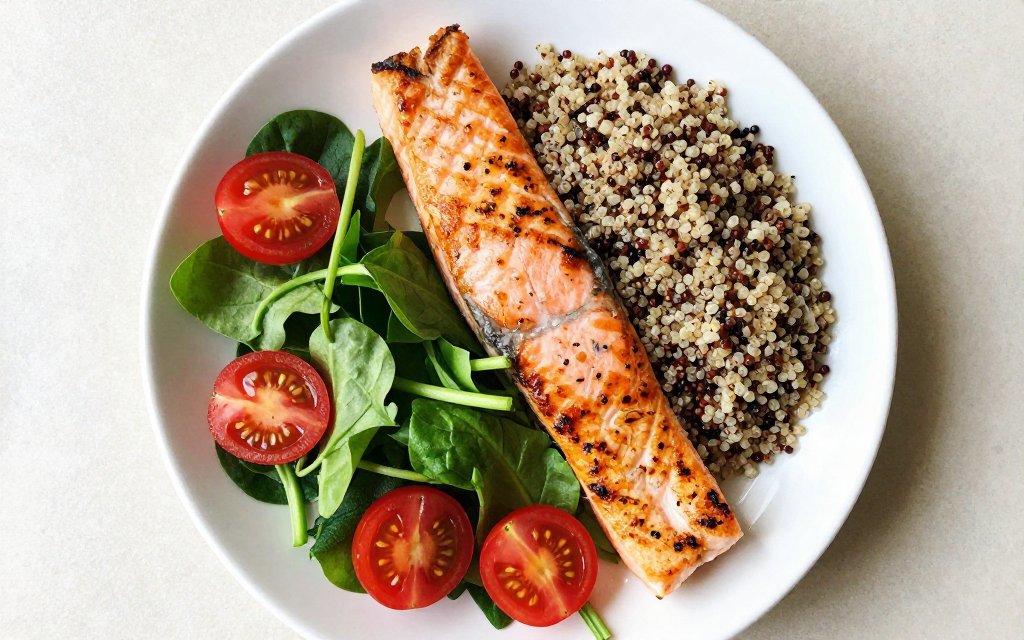
Protein is the anchor because it curbs hunger and protects muscle while you drop fat. Build each meal around a palm of chicken, fish or eggs, add a fist of vegetables, and finish with a thumb of healthy fat like avocado or olive oil. A cup of Greek yogurt makes an easy high protein snack, and our list of high protein foods ranked by calorie has more ideas.
Protein first, vegetables second, and the eight hour eating window mostly takes care of the rest for you.
A sample 16:8 intermittent fasting meal plan
Here is one simple day on a noon to 8 p.m. window that keeps protein high and hunger low. You are not aiming to starve, just to stop the all day nibbling. The NHS puts average daily needs near 2,500 calories for men and 2,000 for women, so eating a bit under that inside your window is where the deficit comes from.
What you can drink during the fasting window
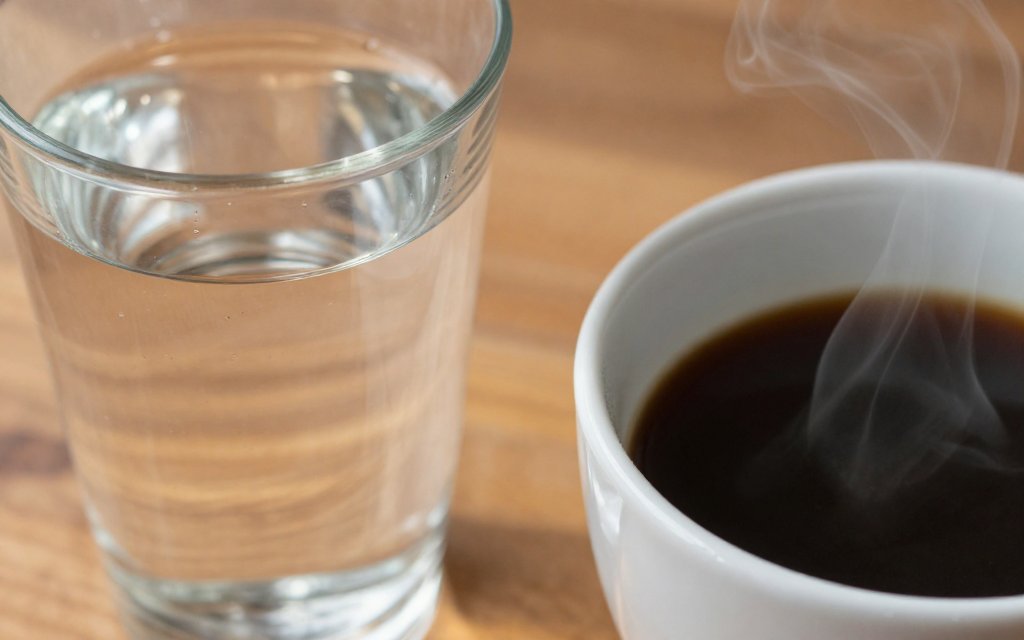
The fast holds as long as what you drink has close to zero calories. Water, black coffee and plain tea are all fine and can dull hunger while you wait for your window to open. A splash of milk, a glass of juice or a sugary latte quietly ends the fast, so save those for eating hours.
What the weight loss actually adds up to
Percentages are easy to skim past, so put real numbers on them. If you weigh 180 pounds, a 3% loss is about 5 pounds, and the 7% that people held for a full year in the UIC review is closer to 13 pounds. That is a clothing size or two, not a dramatic before and after.
The research on intermittent fasting and weight loss is consistent on one point. It lands in the same range as steady calorie cutting, roughly 1% to 8% of body weight depending on the method and how well you stick to it. The win is simplicity. One rule, watch the clock, and skip the food logging if that is what trips you up. If you would rather see the exact deficit, our 500 calorie deficit guide does that math.
A 3% drop for a 180 pound adult is about 5 pounds, real and useful, and roughly what steady calorie cutting delivers over the same weeks.
| Method | Weight loss | Timeframe |
|---|---|---|
| 16:8 eating window | About 3% | 3 months |
| Alternate day | 3% to 8% | 3 to 8 weeks |
| Either method | About 7% kept | 1 year |
A simple first week for beginners
If you are trying intermittent fasting for beginners, do not jump straight to 16 hours. Push breakfast back an hour every few days until your fast reaches 16, and let your body adjust. Most of the early hunger is habit, and it fades within a week or two for most people.
Common questions about intermittent fasting
Can you lose weight on intermittent fasting without counting calories?
Often yes. A shorter eating window tends to cut intake on its own, which is how many people lose weight on intermittent fasting without a food diary. That said, it only works if you do not turn the window into a feast. If the scale stalls, a week of tracking usually shows where the extra calories sneak in.
Is 16:8 intermittent fasting good for beginners?
It is the gentlest place to start. The 16:8 intermittent fasting pattern keeps one full meal in play for most people and only asks you to delay breakfast or skip a late snack. Ease in over a week or two rather than all at once, and it rarely feels extreme.
What can you drink during the fasting window?
Stick to drinks with almost no calories. Water, black coffee and plain tea keep the fast intact and help with hunger, while juice, soda and milky coffees break it. When in doubt, if it has calories, it counts against the fast.
How soon does intermittent fasting show results?
Most people notice the scale move within two to four weeks, though early changes are partly water. The steadier fat loss shows over months, in the 3% to 7% range seen across the research. Consistency across weeks matters far more than any single perfect day.
Intermittent fasting works best when you can actually see what lands in your eating window. CalMeal takes the guesswork out of calorie counting by reading your plate from a photo and counting the calories and macros for you, so your 16:8 days stay on track without a spreadsheet. Start tracking your nutrition today for free. Get the app here: iOS or Android.
Start Tracking Your Nutrition Today
Download CalMeal for free and take the guesswork out of calorie counting with AI-powered food recognition.

