Peanut Butter Calories: Protein, Macros, and Weight Loss
A level tablespoon of peanut butter holds about 96 calories, but a heaping scoop hides far more. Here are the real peanut butter calories, macros, and portion tricks that keep the spread in your weight loss plan.
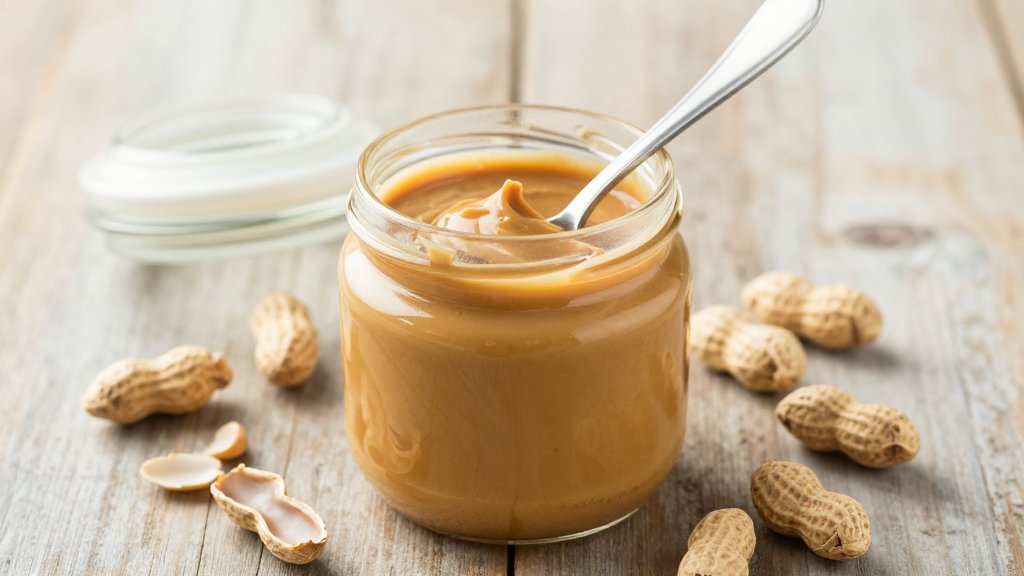
Peanut butter tastes like a health food, which is exactly why it wrecks so many calorie budgets. A knife swipe you would call one tablespoon is often closer to two, and peanut butter calories add up fast because the spread is mostly fat. One level tablespoon holds about 96 calories, so a heaping scoop can quietly cost 200 calories before your toast even hits the plate.
The good news is that the numbers are easy to pin down once you weigh a serving. A standard 2 tablespoon serving lands at roughly 190 calories, with about 7 grams of protein and 16 grams of fat. Learn what a real portion looks like and peanut butter stays a satisfying part of a calorie deficit instead of a hidden leak.
Peanut Butter Calories by the Spoon
The base number to memorize is 96 calories per level tablespoon (16 grams). Double it for the 2 tablespoon serving printed on most jars and you get about 190 calories. The problem is portion creep. Real spoonfuls tend to run 1.5 to 2 times the labeled amount, so your actual intake can reach 280 to 380 calories in one sitting.
The Tablespoon Trap
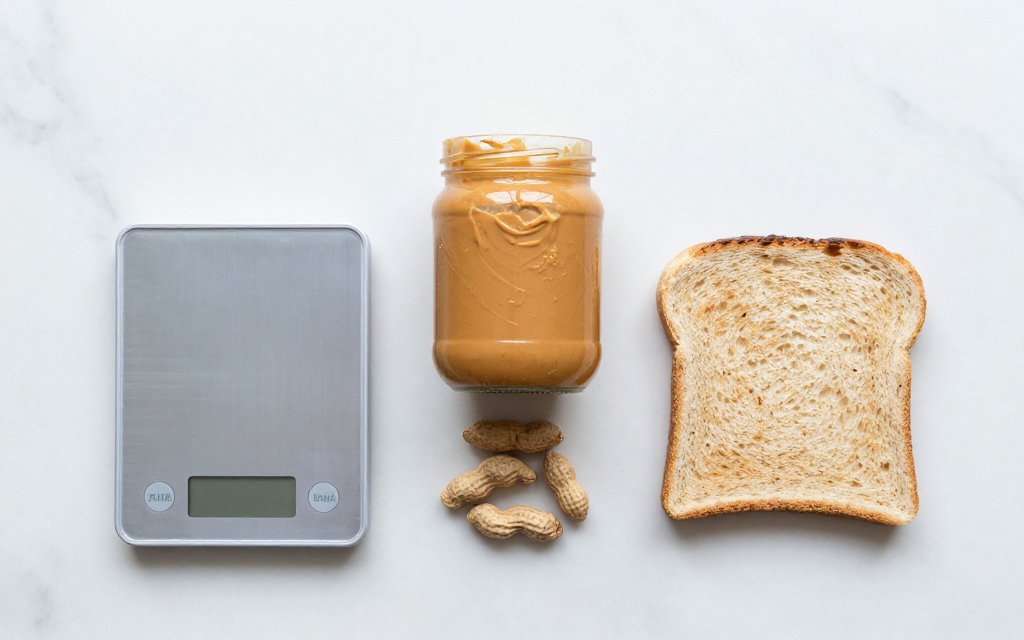
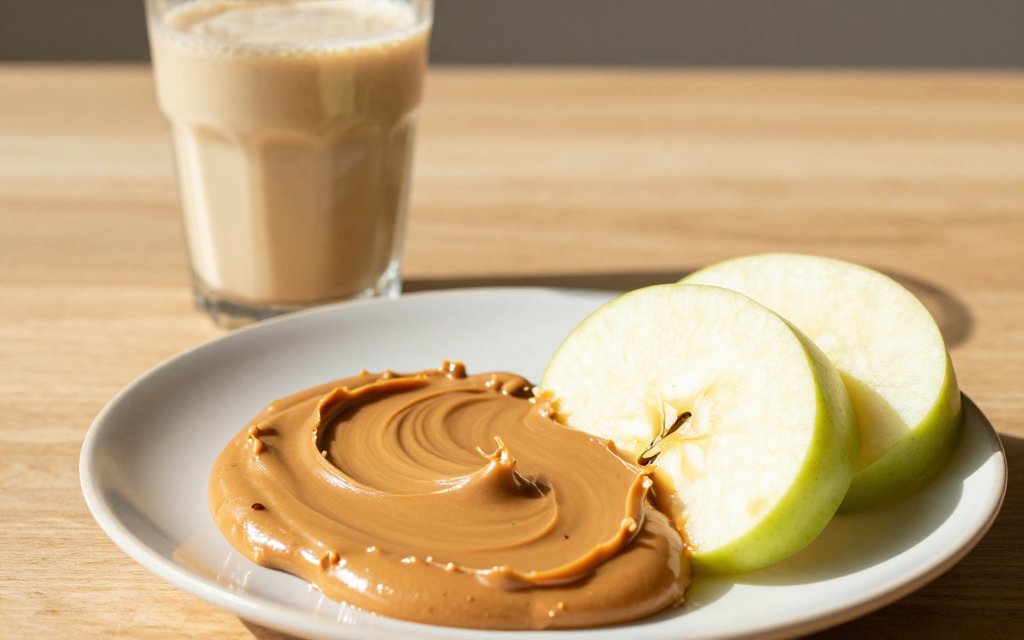
A tablespoon of peanut butter is a measure of volume, not a scoop size. Because the spread is sticky and heavy, a generous swipe weighs far more than 16 grams. Weighing your jar on a kitchen scale, even for a single week, retrains your eye faster than any measuring spoon.
Peanut Butter Nutrition Facts and Macros
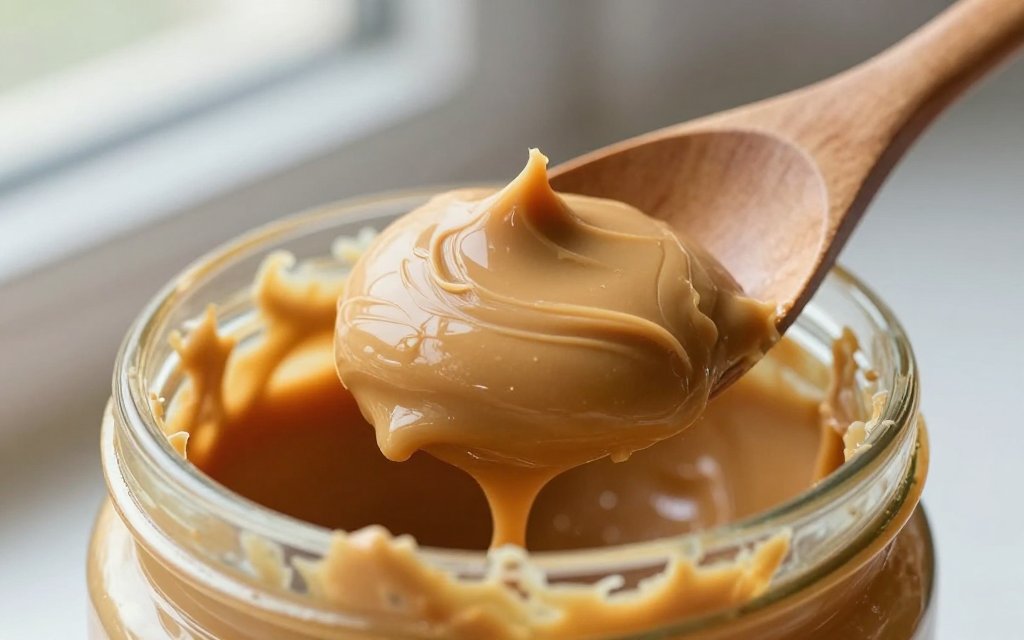
Beyond calories, the peanut butter nutrition facts explain why the spread fills you up. A 2 tablespoon serving carries about 16 grams of fat, most of it heart-friendly monounsaturated fat, plus 7 grams of protein and 2 grams of fiber. That blend of fat, protein, and fiber is what makes peanut butter macros so filling per bite.
Here is how the numbers scale from one spoon to two, using USDA-based figures.
| Nutrient | 1 Tbsp | 2 Tbsp |
|---|---|---|
| Calories | 96 | 192 |
| Protein | 3.6 g | 7.2 g |
| Fat | 8.2 g | 16.4 g |
| Carbs | 3.6 g | 7.2 g |
| Fiber | 0.8 g | 1.6 g |
Two tablespoons of peanut butter deliver about 190 calories and 7 grams of protein, roughly the protein of one large egg for double the calories.
Protein per calorie matters when you are cutting. Peanut butter is protein-rich for a spread but calorie-dense overall, so treat it as a flavor and satiety tool rather than a main protein source. Our protein density rule explains how to rank foods by protein per 100 calories.
How Many Calories in Peanut Butter Brands
People ask how many calories in peanut butter as if there is one answer, but brands vary. Most conventional jars hover near 190 to 200 calories per 2 tablespoons. The calorie content of peanut butter barely changes when a little sugar is added, because sugar carries fewer calories per gram than the fat it sits beside.
Natural vs Regular Peanut Butter Calories
Natural peanut butter calories run about the same as regular, near 190 per 2 tablespoons, since both are mostly ground peanuts and oil. The real difference is the ingredient list. Natural jars skip added sugar and palm oil, while reduced-fat versions swap fat for starchy fillers and often land within 20 calories of the original.
Powdered Peanut Butter Calories and When to Use It
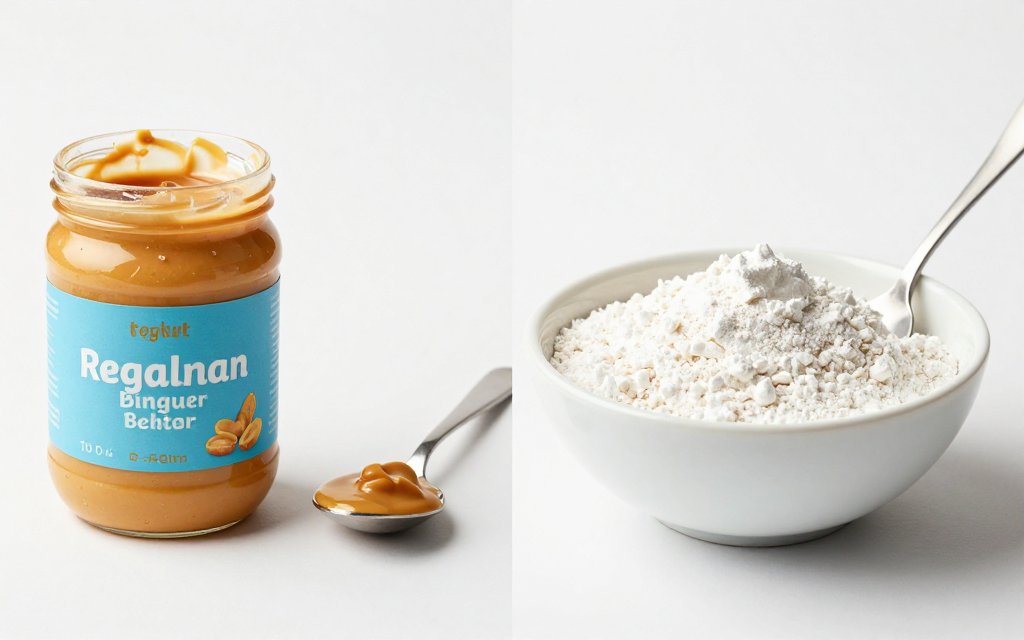
When fat is the thing eating your budget, powdered peanut butter is the fix. Brands like PB2 press most of the oil out of roasted peanuts, so powdered peanut butter calories drop to about 60 per 2 tablespoons, with 1.5 grams of fat and 6 grams of protein. That is roughly 70 percent fewer calories than the regular spread for nearly the same protein.
The trade-off is texture and fewer of the good fats and vitamin E found in the full-fat version. Powder shines in shakes, oatmeal, and yogurt where you want peanut flavor without the calorie hit. Keep the real jar for toast, where mouthfeel matters most.
Swapping regular peanut butter for the powdered version in a daily shake can save roughly 130 calories without cutting protein.
Is Peanut Butter Good for Weight Loss?
Yes, if you respect the portion. Whether peanut butter is good for weight loss comes down to satiety versus density. Research from the Peanut Institute found that eating peanuts or peanut butter raised peptide YY, a fullness hormone, and lowered the desire to eat for 8 to 12 hours. That staying power can prevent the mid-afternoon snack spiral.
Large population studies back this up. People who regularly ate about one ounce of peanuts or peanut butter tended to carry lower body weight than those who avoided them, likely because the protein, fat, and fiber blunt hunger. The catch is that the spread is easy to over-serve, so the fat that keeps you full can also stall a deficit if you free-pour it.
An ounce of peanuts a day was linked to lower body weight in long-running studies, but the benefit fades once portions balloon.
Peanut butter fits nearly any plan when you weigh it. Add a measured tablespoon to an acai bowl or a post-workout shake, then check the number against your daily target with our maintenance calorie calculator. Snapping a photo with the CalMeal app logs the spread in seconds so you never guess the grams.
How to Log Peanut Butter Without Guessing
The single biggest tracking error with peanut butter is logging by spoon instead of by weight. A photo or a scale removes the guesswork. Because the spread is dense, even a 10 gram miss is about 60 calories, and that error repeats every single day.
Peanut Butter Calorie Questions
How much protein is in peanut butter?
Two tablespoons of peanut butter contain about 7 grams of protein, and a single tablespoon has roughly 3.6 grams. It counts toward your daily total, but because it is calorie-dense, most people lean on leaner sources like Greek yogurt or chicken for the bulk of their protein.
How many calories are in a tablespoon of peanut butter?
One level tablespoon (16 grams) of peanut butter has about 96 calories. That is where the peanut butter calories per tablespoon figure comes from. Heaping spoons weigh more, so a casual scoop often lands closer to 130 or 140 calories.
How many calories in 2 tablespoons of peanut butter?
A 2 tablespoon serving holds about 190 calories, the standard label serving on most jars. If you are counting, remember that the 2 tablespoons peanut butter calories assume a level measure, not a generous swipe.
Peanut butter belongs in a weight loss plan when you measure it instead of eyeballing it. Take the guesswork out of every spoonful by snapping a photo of your meal and letting AI estimate the calories and macros for you. Get the app here: iOS or Android.
Start Tracking Your Nutrition Today
Download CalMeal for free and take the guesswork out of calorie counting with AI-powered food recognition.

