Airport Snack Strategy: Hit Protein, Skip Calorie Traps
Use a simple airport snack strategy to stay full, hit protein, and avoid the sneaky “travel calories” that blow up your day. This guide covers the best high-protein, low-calorie airport snacks, macro-friendly orders, TSA-approved options, and quick logging rules so you can stay on track while traveling.
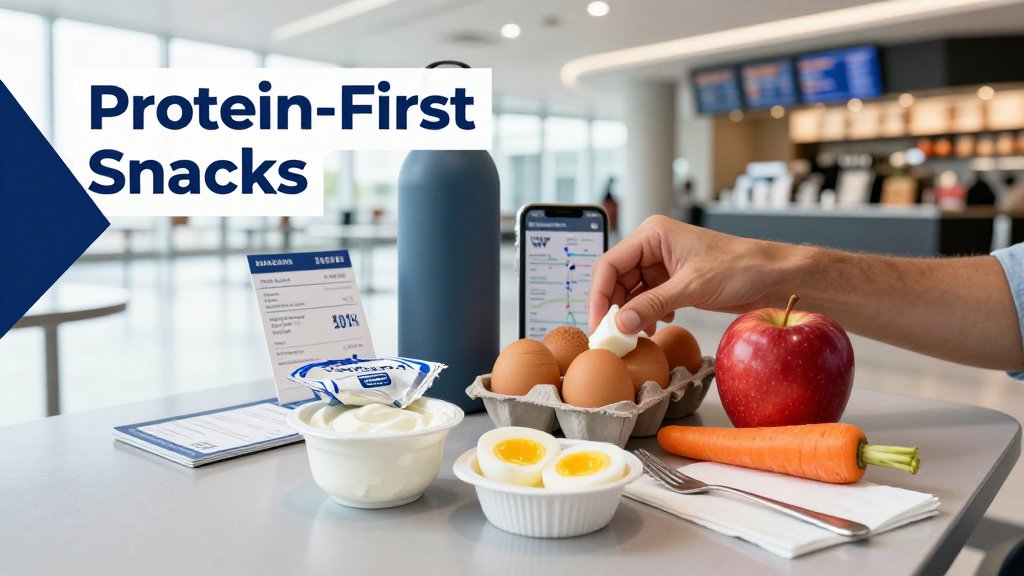
Airports are designed for convenience, and that often means it is easy to rack up 700 calories without feeling satisfied. A pastry here, a sugary coffee there, and suddenly your travel day blows up your goals. This guide gives you a simple, repeatable airport snack strategy: prioritize protein first, add fiber for staying power, then choose treats intentionally. You will get specific picks from kiosks and fast-casual spots, plus quick logging tactics that keep macros and weight loss on track.
Use the 3 step airport snack rule
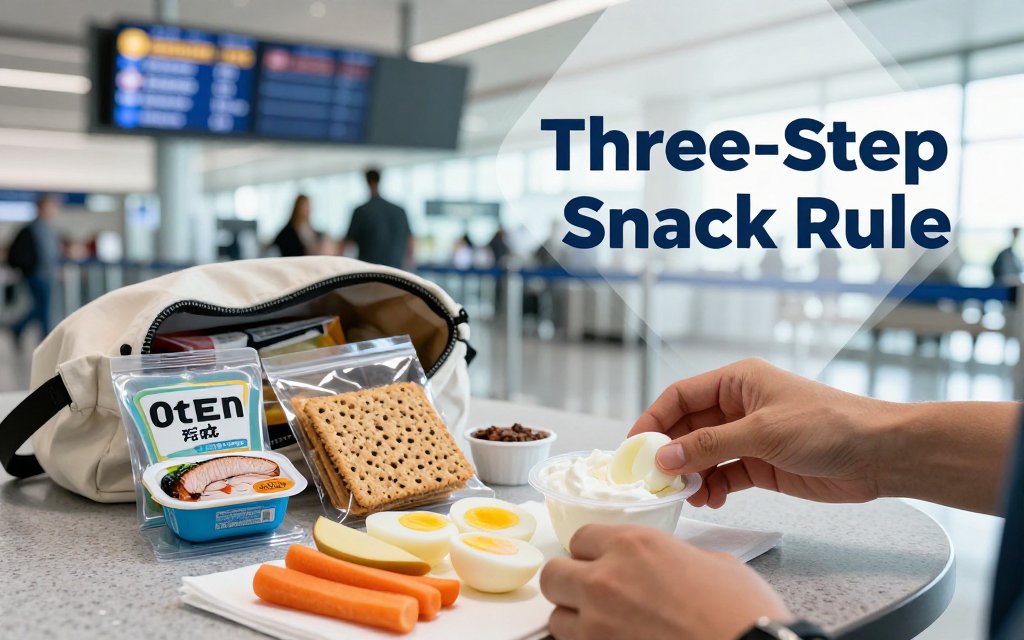
Airports are built to make “whatever is closest” feel like the best choice. Your snack strategy has to be faster than decision fatigue. Here is the rule you can use in any terminal, at any time: start with protein, add volume with fiber, then treat fats and sugar like planned add-ons (not accidental defaults). This keeps you satisfied through delays, long boarding lines, and “oops, lunch got pushed back” moments. Think of it like assembling a snack-meal that earns its calories: protein does the staying power, fiber stretches the portion, and the fun stuff becomes intentional so it does not quietly double your calories.
Protein first, then fiber, then fun
Step 1 is protein. Aim for 20 to 30 g of protein in a “snack-meal window” (like breakfast at the gate, a midafternoon layover bite, or a late arrival mini dinner). That could look like a 2 pack of hard-boiled eggs plus a single-serve Greek yogurt, a turkey and cheese snack pack plus an apple, or a tuna pouch with whole-grain crackers. Step 2 is fiber when you can get it, shoot for 3 to 8 g (fruit, veggies, beans, whole grains). If you want a quick visual, the on-the-go healthy choices infographic is a simple checklist for building a better travel bite.
Why this works on travel days: higher protein meals and snacks tend to increase fullness signals and reduce hunger compared with lower protein options, in part by influencing satiety hormones. You do not need to memorize biochemistry, but it helps to know the principle is evidence-based, not willpower-based. If you want the science rabbit hole, research on protein and satiety hormones describes how higher protein intake can increase hormones linked with fullness. Practically, protein helps you avoid the airport pattern of “quick sugar now, bigger cravings later,” especially when you are stressed, under-slept, or sitting for hours.
Step 3 is “fun,” meaning fats and sugar are allowed, but they should be chosen on purpose. Airports sell calorie-dense combos because they taste great and travel well: pastry plus latte, nuts plus chocolate, smoothie plus granola. Those pairings stack fat and sugar fast, and they are easy to eat quickly without feeling full. Your upgrade is simple: keep added fats small unless you are intentionally using them for satiety (like 1 tablespoon peanut butter, or 1 ounce nuts). Keep sugar as a topping, not the base. If you are tracking, log the add-ons in CalMeal so your “tiny extra” does not become a 300 calorie surprise. If you care about steadier energy, this pairs nicely with stable glucose tracking tips.
Build every airport snack in three moves: get 20 to 30 g protein, add a fiber side for volume, then choose a small “fun” add-on. If the fun is the whole snack, it is usually a calorie trap.
Spot the 4 most common airport calorie traps
Trap 1 is the “healthy” muffin or banana bread. A big bakery-style muffin can land in the 400 to 600 calorie range, and it often comes with low protein (maybe 5 to 8 g). That is why it feels like a snack, but hits like a meal. Swap without feeling deprived: choose a smaller packaged muffin and add protein next to it (string cheese, a yogurt, or a ready-to-drink protein shake). Or skip the pastry entirely and go for egg bites plus fruit. If you really want the baked good, split it with a travel buddy and make the other half of your plate protein-forward so your hunger does not boomerang an hour later.
Trap 2 is trail mix and nut-heavy snack packs. Nuts are nutritious, but airport portions are rarely “one serving.” One small bag can quietly climb to 300 to 700 calories if it is mostly nuts, chocolate, and dried fruit. The swap is to keep the flavor, but control the energy density: buy a plain nut pack and pair it with a high-volume side like grapes, a banana, baby carrots, or an unsweetened applesauce cup. Even better, anchor with protein first: beef or turkey jerky (watch sodium if that matters to you), a cheese stick, or a yogurt, then use a small handful of nuts as your planned add-on.
Trap 3 is smoothie bowls and blended drinks. The “health halo” is real, but blending makes it easy to drink 500 to 900 calories because you lose chewing time and add-ons pile up (granola, honey, nut butter, coconut flakes). The swap: order a protein-forward smoothie with a clear target, 25 g protein, and ask for no added sweeteners. If you are grabbing a bottled option, look for a protein shake with 25 to 30 g protein and under about 10 g added sugar, then add fiber separately with whole fruit. You get the same sweet, cold, travel-friendly vibe, but with macros that actually match your goal.
Trap 4 is fancy coffee that turns into dessert. A flavored latte with syrup, whole milk or cream, and whipped topping can rival a full snack in calories, but it does not always bring fullness because protein is low unless you choose a higher-protein milk. The swap is not “drink black coffee or suffer.” Instead: choose a regular latte with nonfat or 2% milk, request half-sweet or sugar-free syrup, or order cold brew with a measured splash of milk. If you want sweet, pair your coffee with a protein item you can chew, like a yogurt cup or egg bites, so the drink stays a planned add-on instead of the main event.
Best high-protein airport snacks you can buy
You do not need a perfect meal to stay on track in an airport. You need a protein anchor that is easy to find, easy to log, and unlikely to turn into a 600 calorie “snack” once you add chips, cookies, and a sugary coffee. The good news is that most kiosks, Hudson-style newsstands, and coffee shop grab-and-go fridges reliably stock a few repeat players: strained yogurts, egg packs, cheese, and ready-to-drink protein. Aim for items that give you a lot of protein for the calories, so your snack acts like a mini meal instead of a trigger for more grazing.
Grab-and-go winners for weight loss and macros
Start with the “cold fridge” section first, that is where the highest protein per calorie usually lives. Single-serve plain Greek yogurt or skyr, cottage cheese cups, and hard-boiled egg packs are the most consistent wins. In real numbers, many cups land around 120-170 calories with roughly 15-20 g protein, and egg packs often sit around 140-200 calories for about 12-18 g protein, depending on whether they include cheese. For labels, look for two quick checks: protein per calorie (great if you hit 15 g protein under 200 calories) and added sugar (lower is usually easier for appetite control).
If you are stuck with shelf-stable snacks, go protein-forward instead of “crunch-forward.” Turkey or chicken snack packs (often deli slices plus cheese), jerky, meat sticks, and tuna or salmon pouches are common at airport newsstands. They log cleanly because the serving sizes are obvious, but they have two traps: sodium and “bonus carbs” you might add without noticing. Jerky and meat sticks can be very salty, so pair them with water, and do not let them push you into buying a giant bag of pretzels “to balance it out.” Tuna or salmon pouches are great protein, just watch creamy kits that include mayo-based mixes.
Plant-leaning options exist, you just need to know what they look like in an airport fridge. Edamame snack packs are a quiet hero because they combine protein and fiber at a reasonable calorie cost, and they are typically less “snackified” than chips. String cheese is another reliable macro tool: it is portion-controlled, travels well, and pairs easily with fruit you can grab anywhere. For a quick sanity check in busy terminals, I like to use the same shortcut nutritionists recommend, prioritize simple protein foods over ultra-processed snack mixes. You can see similar airport-friendly ideas in nutritionists' airport snack picks.
| Food | Macros | Light |
|---|---|---|
| Skyr cup | 120-170cal 15-20gP | Green |
| Cottage cup | 120-160cal 16-20gP | Green |
| Egg pack | 140-220cal 12-18gP | Green |
| Tuna pouch | 70-120cal 14-20gP | Green |
| Jerky | 80-160cal 10-16gP | Yellow |
| Protein shake | 150-200cal 25-30gP | Green |
How to use the table: “Green light” means you can usually buy it, eat it, and keep moving without having to negotiate with your hunger an hour later. “Yellow light” means it can still fit your day, but it comes with a common gotcha. Jerky is a great example: it can be high-protein, but sodium is often very high and some brands add more sugar than you expect. For weight loss, I also put many airport “protein boxes” in the yellow category. They can be convenient, but they often bundle peanut butter, crackers, and sweet fruit, so calories climb fast compared to the protein you actually get.
Snack math that keeps you full on a flight
Use simple rules of thumb so you do not need perfect nutrition knowledge at Gate B12. Rule 1: target at least 10 g protein per 200 calories (better if you hit 15-25 g in that range). Rule 2: cap added sugar at about 8-10 g for most snacks, especially if your next meal is unknown, because sugar-heavy snacks can leave you hungrier later. Rule 3: keep nuts as the side, not the main event, if you are in a calorie deficit. Nuts are nutritious, but a “small bag” can quietly add 200-400 calories without giving you the protein punch of dairy, eggs, or fish.
If you can only find flavored yogurt, pick the one with the highest protein and the lowest added sugar. You want a snack that acts like a mini meal between flights, not a dessert.
To hit that “I am good for hours” feeling, build 25-35 g protein with two small items instead of one giant snack. Example combos that often land in a calorie-friendly zone: a skyr cup (15-20 g protein) plus a tuna pouch (14-20 g) gets you to roughly 30-40 g protein with a surprisingly modest calorie total. Cottage cheese plus an egg pack is another strong option if you need more chew and less sweetness. This approach is supported by research showing higher-protein options can increase fullness compared with lower-protein choices, as summarized in a protein preloads boost fullness meta-analysis.
Logging tip that saves calories fast: decide your protein anchor first, log it, then add a side only if you still need it. This is where accuracy matters, especially if you are comparing packaged weights versus drained weights (like tuna) or you are splitting a snack pack. If meal prep habits carry into your travel days, review raw vs cooked weights logging so your numbers stay consistent. If you have kidney disease, diabetes, or other health concerns, talk with a clinician about the right protein target for you.
Macro-friendly airport meals and breakfast orders
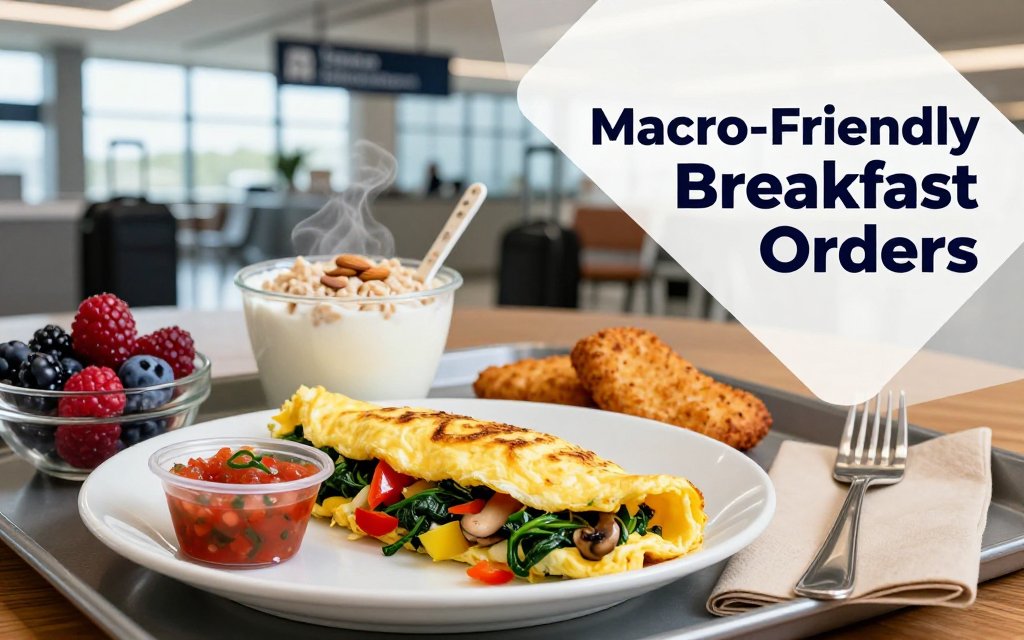
Airport breakfast healthy options that actually work
If you have time for real food, aim for a simple target: 25-40 g protein in your meal, plus a produce side if you can. That combo tends to keep calories reasonable (often 350-550), keeps you satisfied, and makes it easier to skip the pastry case later. Think “build your plate” in this order: protein first, then fiber (fruit or veggies), then a carb portion you actually chose (not the default jumbo muffin). If you want more ideas that lean steady and balanced, this roundup of airport meals that won't spike gives solid real-world swaps you can find in most terminals.
The easiest breakfast win is eggs plus plants. Try: an egg white and veggie omelet, add 1 whole egg if you want more staying power, then grab a side of fruit instead of a hash brown. If the menu only does whole eggs, order “two whole eggs plus extra whites” and ask for vegetables mixed in (spinach, peppers, onions, mushrooms). A typical airport omelet can swing wildly based on oil, cheese, and sides, so use quick swaps: skip cheese, ask for salsa or hot sauce, and choose fruit or tomatoes over biscuits and gravy. Done well, you can land around 30-40 g protein without turning breakfast into a 900-calorie surprise.
Oatmeal and yogurt can be macro-friendly if you control the “extras.” Order plain oatmeal, then add protein with a side of Greek yogurt, a couple hard-boiled eggs, or even a milk upgrade (more on coffee in a second). If you do a yogurt parfait, ask for Greek yogurt, berries, and “no granola” or “half the granola,” then add nuts if available. For breakfast sandwiches, use a hack that works almost anywhere: order it open-faced (top bun off), remove cheese or creamy sauce, and add an extra egg or extra egg whites. Want a data-backed reason to prioritize protein early? Research comparing higher-protein breakfasts (around 35 g) vs lower-protein breakfasts has found improvements in appetite and reductions in later snacking in controlled settings. One accessible example is this high-protein breakfast appetite study.
I order the protein first, then decide on carbs. If the line is moving fast, I say: double chicken, extra veggies, sauce on the side. It works in almost every terminal and saves calories.
Coffee can quietly make or break your breakfast calories. If you want a latte, pick a size you can track: a 12 oz latte is often a manageable choice, while 20 oz can become a liquid snack. Milk adds protein, roughly 8 g per cup, so dairy or soy can contribute about 10-12 g protein in a typical small latte depending on how much milk is used. Watch the “healthy sounding” add-ons: sweetened flavored syrups, caramel drizzle, whipped cream, and blended drinks can add hundreds of calories. Sugar-free syrups can help reduce calories, but they are not magic if the drink is still built on heavy cream or extra sweet toppings. If you have health concerns related to caffeine, blood sugar, or sweeteners, check with your clinician.
Fast-casual ordering scripts for any terminal
Fast-casual is where you can “script” your order and get repeatable macros. The goal is not perfect nutrition, it is a reliable high-protein, lower-calorie plate you can build in 20 seconds. Use a simple formula: “double lean protein, tons of veggies, one carb decision, sauce on the side.” Then make your calorie tradeoffs visible. Cheese, nuts, and avocado are fine, but treat them as measured add-ons, not freebies. Creamy sauces (ranch, aioli, queso, mayo) are where calories jump fast, so swap in salsa, mustard, vinegar, hot sauce, or a light vinaigrette. If you do want dressing, asking for it on the side gives you control without making the meal sad.
At a salad place, say: “Big salad, double chicken (or turkey), extra veggies, beans if you have them, dressing on the side, no croutons.” That often lands around 35-50 g protein depending on portion size, with calories mainly driven by dressing and add-ons. At a bowl place (Mediterranean, Asian, or burrito-bowl style), say: “Bowl with double chicken, half rice or no rice, extra fajita veggies, pico and salsa, no queso, no sour cream.” If you want a carb, choose one, not three. For example, pick either rice or beans, not rice plus beans plus chips. If options are limited, a “good enough” bowl is still possible: grilled protein plus veggies, then add fruit from a nearby kiosk to round it out.
At a sandwich shop, try: “Turkey or chicken on whole grain, extra meat, lots of veggies, mustard instead of mayo, cheese only if you really want it, and I’ll do it open-faced.” Removing one slice of bread is an easy 70-120 calorie save, depending on the bread, and extra lean protein helps you hit that 25-40 g goal without needing chips. At a taco spot, say: “Two tacos, grilled chicken or steak, extra lettuce and pico, salsa, no crema, no queso.” Corn tortillas are usually a smaller carb portion than giant burritos, and skipping creamy toppings keeps calories predictable. If you are truly stuck with only convenience options, combine two items into a meal: a Greek yogurt plus a turkey jerky, or a pre-made salad plus a hard-boiled egg pack.
How to log airport food and stay on track
Airport days are “messy data” days, and that is okay. The goal is not perfect logging, it is staying close enough that your weekly average still matches your goal. A simple win is to decide on two non-negotiables before you walk into the terminal: (1) you will eat something with protein every 3 to 4 hours, even if it is small, and (2) you will log within 10 minutes of buying or eating. That prevents the classic travel spiral: skipping meals because you are busy, then getting ravenous and ordering the biggest sugary or fried option you see. If you have health concerns or a medical diet, check with your clinician before making changes.
A realistic logging method for airports
Use a “precision where it matters” approach: log protein as accurately as you can, then estimate carbs and fats conservatively. Protein is the anchor for fullness and macro targets, so get that closest. Example: if you grab two hard-boiled eggs, log 2 large eggs (about 140 calories, 12 g protein). If you buy a turkey sandwich with no label, search a closest match like “deli turkey sandwich, whole wheat, mayo” and pick the mid-to-higher calorie option. If a meal has unknown sauces (aioli, glaze, buttery rice), assume an extra 1 to 2 thumbs of fat and log it, instead of hoping it “doesn’t count.”
Sitting all day changes the math a little: you usually need fewer “bonus” carbs and fats for energy, but you still benefit from steady protein and fiber. If you are grounded in meetings, delayed, or stuck on a long flight, aim for the same protein target and slightly tighten portions on calorie-dense add-ons like cheese, nuts, and creamy dressings. One mistake that derails people is rounding everything down because they are rushed, which can quietly erase a deficit by hundreds of calories. If anything, round up by 10% to 20% on unlabeled foods and move on with your day.
Log the protein first, then make a reasonable estimate for the rest. If you cannot verify a label, choose the closest match and add a small buffer. Consistency beats perfection, especially on travel days.
FAQ: Airport snack strategy and TSA travel questions
Use these as quick rules when you are staring at a kiosk menu or packing your carry-on. They are designed to keep your calories and macros predictable, even when you cannot find full nutrition labels or you are dealing with security rules. (Reminder: airport rules can vary by agent and situation, so leave extra time and keep snacks easy to inspect.)
What are the best TSA approved snacks for plane travel?
Pick mostly solid, single-serve foods, because TSA food screening guidance allows solid foods in carry-on, while liquids and gels have size limits. Great options include beef or turkey jerky (look for 10 to 12 g protein per serving), tuna or chicken packets (if allowed by your airline, bring a fork), roasted edamame, protein bars, apples, and single-serve nuts. Skip big tubs of yogurt, hummus, or nut butter unless they are within the liquid-size rule.
How do I eat healthy at the airport when everything is fried or sugary?
Use a “build the plate” script: start by ordering a protein base, then add produce, then decide on a carb. Examples: a bunless burger plus side salad; a burrito bowl with double chicken, fajita veggies, and salsa, then choose rice or beans, not both; a breakfast sandwich where you keep the egg and lean meat, but swap the pastry side for fruit. If the only option is fried, keep the portion smaller and add a high-protein snack right after (jerky, bar, or eggs) so you do not rebound into a dessert run later.
How can I calorie count while traveling if I cannot weigh food?
Use three tools: hand portions, “closest match” entries, and a small honesty buffer. Log palm-size protein accurately, then estimate carbs and fats using fists and thumbs. If a cafe wrap has no label, log a similar chain entry and add 50 to 150 calories for sauces and oils. Track immediately, not at night, because memory is the first thing to fail on travel days. Research on dietary self-monitoring consistently finds that more frequent logging is linked with better weight-loss outcomes, including in a study on electronic self-monitoring frequency. If you have specific medical needs, confirm targets with a clinician.
Ready to make travel days easier to manage? Start tracking your nutrition today with CalMeal, and take the guesswork out of calorie counting using AI-powered food recognition. Download CalMeal for free on iOS or Android. Log your airport snacks in seconds, stay consistent, and land feeling proud of your choices.
Start Tracking Your Nutrition Today
Download CalMeal for free and take the guesswork out of calorie counting with AI-powered food recognition.

